


Choose one of the topics from the list below, then select a reading question. If you have a question that has not been answered, please contact us.
What Is a “Certified Translation” and When Is It Required?

What Is a “Certified Translation” and When Is It Required?
A certified translation is an official translation of a document carried out by a sworn translator or another authorised professional. The translator not only renders the text into the target language but also confirms, with their signature and stamp, that the translation is accurate, complete, and fully corresponds to the original document.
In certain cases, to give the translation even greater legal weight, the translator’s signature is further notarised. This additional step ensures that the document can be used without any doubt as to its authenticity.
Certified translations are required by government authorities in countries such as the United Kingdom, the United States, and Ireland. (more…)
- Published in Language Services
What to Do If A Document Cannot Be Legalized?

What to Do If A Document Cannot Be Legalized?

There are several factors that influence the success of document legalization: from the condition of the document and its compliance with international standards to the specific requirements of the country where it will be used. The document may contain discrepancies with the local regulatory framework, may not be properly certified, or may have other deficiencies that render it invalid for legalization.
In this article, we will examine the main reasons why documents cannot be legalized and provide solutions on how to address these issues. We will look at the common mistakes that can arise and suggest steps you can take to correct these situations. Additionally, we will focus on alternative approaches and options for dealing with legalization issues. We will guide you on how to prepare your documents in a way that will facilitate and expedite the process, saving you time and effort. (more…)
- Published in Language Services
Common Mistakes to Avoid When Legalizing Documents

Common Mistakes to Avoid When Legalizing Documents

When it comes to document legalization, even minor omissions or mistakes can lead to significant delays. Every step in the process, whether it involves translation, certification, or legalization, requires attention to detail and adherence to the rules. Understanding the most common mistakes and how to avoid them will help you navigate the process smoothly and without unnecessary difficulties.
This article examines the main mistakes people make when submitting documents for legalization and offers practical advice on how to avoid them, speeding up the process and preventing potential problems. (more…)
- Published in Language Services
How to Prepare a Document for Translation and Legalization?

How to Prepare a Document for Translation and Legalization?
Preparing a document for translation and legalization is the first and perhaps the most important step that determines whether the entire process will run smoothly and on time. If the document is in proper form from the very beginning, you save time, money, and stress. However, if you overlook small details, this can lead to delays, repeated visits to institutions, or even rejection of the document abroad.
Imagine applying to a university and discovering at the last moment that your high school diploma has an illegible stamp. Or needing a document for a court case abroad, only to find out that it was issued too many years ago and is no longer valid. Such situations not only consume time but can also ruin important life and career plans.
In this article, we’ll show you how to prepare your documents to avoid unpleasant surprises. You’ll get a clear step-by-step checklist, practical advice, and real-life examples to help you navigate the process confidently. (more…)
- Published in Language Services
Translation and Legalization Process – Step by Step

Translation and Legalization Process – Step by Step

In today’s fast-paced world, more and more people study, work, or relocate abroad for good. Others travel for medical treatment, get married outside the country, or handle business matters across borders. In all these situations there’s one common thread: you need documents that foreign institutions will recognize and understand.
A document issued in Bulgaria on its own isn’t enough to have the same legal value in another country as it has here. To be accepted, it must first be translated by an authorized translator and, in most cases, legalized with an apostille or consular legalization.
In this article, we’ll walk you through the entire process step by step. We’ll explain what translation and legalization include, when they’re required, and how to avoid common mistakes. In short: you’ll get a concise, clear guide that helps you save a lot of time and worries. (more…)
- Published in Language Services
How to Check if a Translator Is Certified or Licensed?

How to Check if a Translator Is Certified or Licensed?

In today’s globalised world, accurate translation of documents is crucial, especially for official, legal, or business matters. Whether applying for a visa, entering an international business agreement, or submitting academic credentials, ensuring your translation is certified or licensed is key to avoiding complications.
A certified or licensed translator is a professional who has received official training and certification, ensuring they can provide accurate and legally valid translations. Choosing the right translator guarantees the validity of your documents, preventing legal issues, delays, and misunderstandings caused by errors.
This article will show you how to verify if a translator is certified or licensed, it will highlight the importance of using qualified professionals, and outline the risks of working with unqualified or unlicensed translators. (more…)
- Published in Language Services
What Are the Minimum Requirements for Translating Legal Documents?

What Are the Minimum Requirements for Translating Legal Documents?

When it comes to legal documents, accuracy is everything. Whether you’re dealing with contracts, court rulings, immigration papers, or business agreements, the smallest mistake in translation can lead to serious consequences, including delays, rejected applications, or even legal disputes. The importance of accurate and legally valid translations cannot be overstated, particularly in situations where the translated document will be used in a legal context.
Legal document translations are not like standard language translations. They require more than just linguistic skill—they demand an in-depth understanding of legal terminology and knowledge of the legal systems involved. This is crucial for ensuring that the meaning, intent, and structure of the original document are preserved.
In this article, we will explore the minimum requirements for translating legal documents, from the importance of precision and qualified translators to understanding the processes involved in notarisation and apostille. Whether you’re a business owner, student, or individual handling international paperwork, knowing these key requirements will ensure your documents are legally recognised and avoid unnecessary complications. (more…)
- Published in Language Services
How Is the Validity of a Translation Verified?

How Is the Validity of a Translation Verified?

In today’s global world, official documents need to be accurate, clear, and legally recognised. Whether you’re applying for a visa, preparing a business contract, or submitting academic credentials abroad, the translation of these documents must meet strict standards to be accepted by the authorities. But how do we ensure that a translation is valid and legally recognised? This process is known as verification, and it involves several steps to ensure that your documents are both accurate and officially acceptable.
In this article, we’ll cover everything you need to know about how the validity of a translation is verified, why it matters, and what steps you can take to make sure your documents are accepted both locally and internationally. (more…)
- Published in Language Services
Who Is Authorised to Do Official Translations?

Who Is Authorised to Do Official Translations?

In today’s interconnected world, official translations play a crucial role in ensuring that documents are legally recognised across borders. Whether you’re moving to another country, setting up a business, or dealing with international legal matters, there’s a high chance you’ll need an official translation of important documents. But here’s the catch: it’s not just anyone who can perform these translations. Official translations require a certified or authorised translator, someone who understands the specific requirements of different legal systems and can ensure your documents are accurate, clear, and legally valid.
From immigration applications to business contracts or court cases, the need for accurate and reliable translations is undeniable. A poorly translated document can lead to delays, rejections, or even legal consequences. So, who exactly can carry out these translations? Is it just anyone who speaks the language? Not quite. Only qualified professionals are authorised to perform official translations, ensuring your documents are accepted by institutions like embassies, courts, and government agencies.
In this article, we’ll explore who is authorised to do official translations, why it matters, and how you can find the right professional to handle your important documents. (more…)
- Published in Language Services
What Does an Official Translation Look Like – Format and Elements

What Does an Official Translation Look Like – Format and Elements
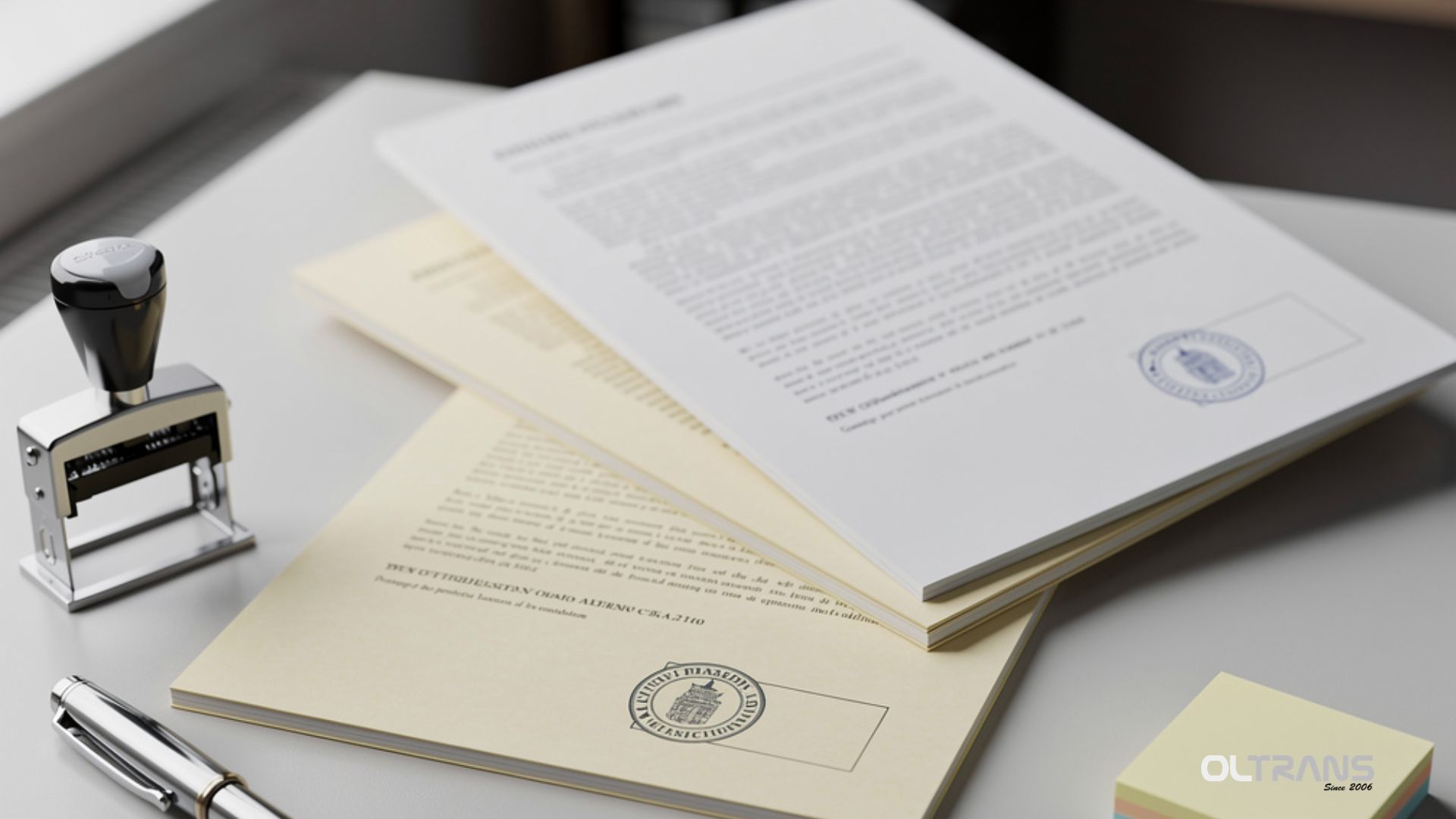
In today’s interconnected world, the need for official translations has become more prevalent as individuals, businesses, and organisations interact across borders. Whether it is for personal, academic, legal, or business purposes, official translations ensure that documents are recognised and legally accepted by foreign institutions. These translations are essential when documents need to be presented to authorities, government bodies, educational institutions, or courts in other countries.
Official translations are not just about converting words from one language to another; they carry legal weight and must adhere to strict guidelines. They must be carried out by certified professionals who can guarantee their accuracy and authenticity. (more…)
- Published in Language Services