


What Documents Most Commonly Require Translation and Legalisation?

What Documents Most Commonly Require Translation and Legalisation?

Documents intended for use abroad often need to undergo translation and legalisation. To prepare them correctly, however, it is essential to understand the nature and content of the documents themselves. Different types of documents serve different purposes, have specific requirements, and take various forms, and not every country automatically recognises foreign documents without official certification.
In this article, we will explore the documents most commonly subject to legalisation, explaining what they are, why they are required, and how to prepare them properly to ensure they are accepted internationally.
- Published in Language Services
Official Translation vs. Legalised Translation – Is There a Difference?

Official Translation vs. Legalised Translation – Is There a Difference?

In today’s globalised world, many documents need to be used across borders – for education, employment, business, or legal purposes. A common question arises: does a document simply need to be translated, or must it be fully legalised to be officially recognised abroad? The distinction between an official translation and a legalised translation is crucial, and choosing the wrong type can lead to delays, complications, or even rejection of the document. This article explores the differences between these types of translations, explains how each is used, and clarifies when one is required.
- Published in Language Services
What Is the Hague Apostille Convention Certification?
What Is the Hague Apostille Convention Certification?
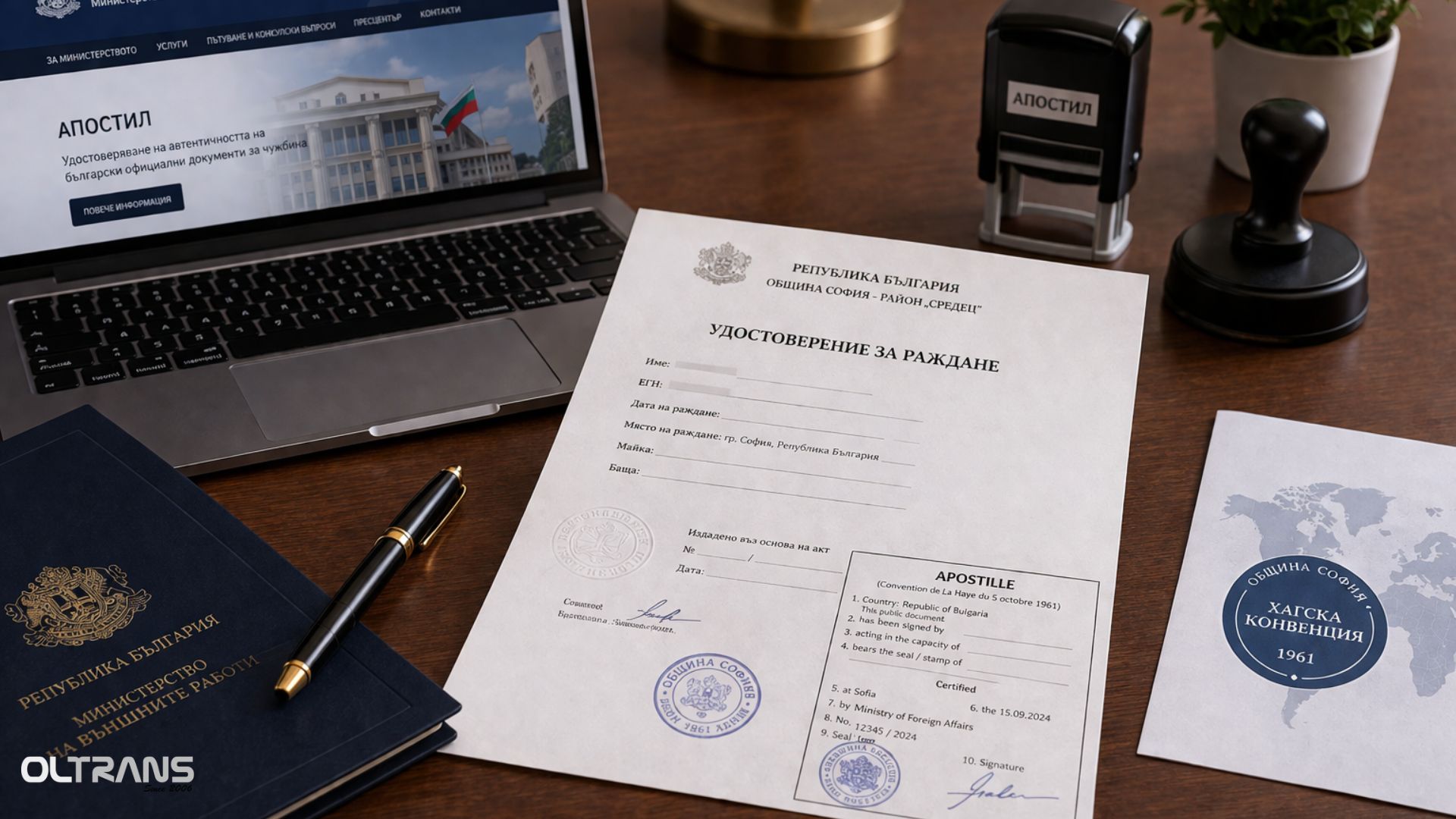
When documents issued in one country need to be used abroad, a key question often arises: how can foreign authorities recognise their authenticity? In most cases, an official certification is required to confirm that the document is genuine. One of the most widely recognised and efficient methods for international validation is the apostille – a special stamp or certificate that confirms the document is authentic and issued by a competent authority. An apostille simplifies the international use of documents, ensuring legal recognition in other countries that are members of the Hague Convention
This article provides a comprehensive explanation of what an apostille is, how the procedure is carried out, the principles of the Hague Convention, and which types of documents can be apostilled, offering practical guidance for individuals, legal professionals, and businesses alike.
- Published in Language Services
What is Notarisation and How is it different from Legalisation?

What is Notarisation and How is it different from Legalisation?

When dealing with official documents that are meant to be used abroad , it’s important to ensure that those documents are legally recognised by the authorities in the country where they will be presented. Two of the most common procedures for legalising documents are notarisation and legalisation. Both processes are designed to confirm that the document is authentic and can be recognised by foreign institutions. However, they differ in the way they are carried out and the types of documents for which they are required. Understanding these differences is important in order to choose the correct procedure for your documents.
In this article, we will examine in detail what notarisation is, which documents require notarisation, and how it differs from legalisation, as well as when and why each of these procedures is used.
- Published in Language Services
The Difference Between Apostille and Legalisation
The Difference Between Apostille and Legalisation
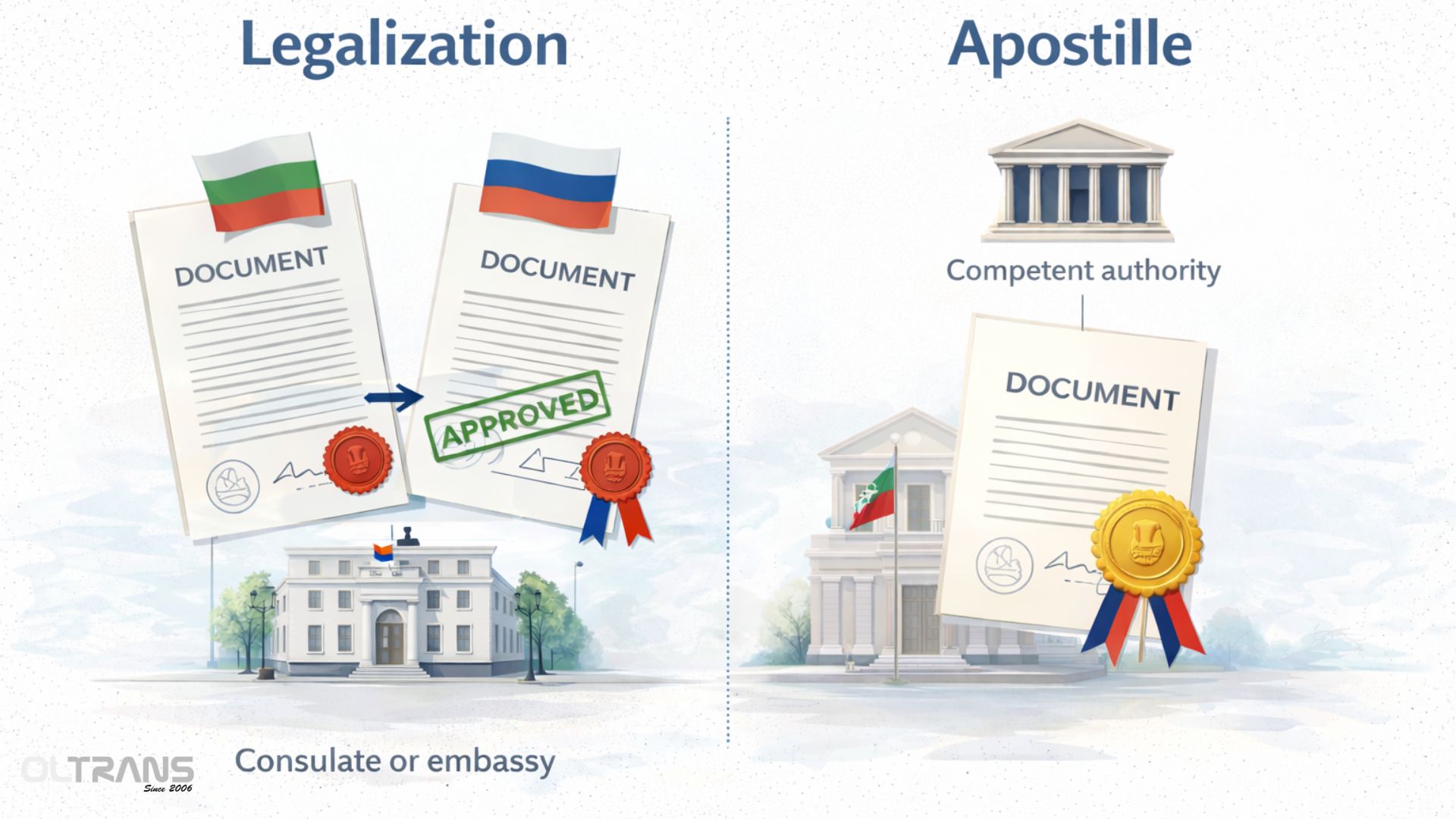
When documents need to be used abroad, it is often required that they be legalised in order to be recognised by foreign authorities. The two primary methods of legalising documents are apostille and consular legalisation. While both procedures aim to authenticate the documents, they have different processes, requirements, and applications.
This article will explore in detail what apostille and consular legalisation are, when each is used, and which documents require one or the other procedure.
- Published in Language Services
What is an Apostille and When is it Used?

What Is an Apostille and When Is It Used?
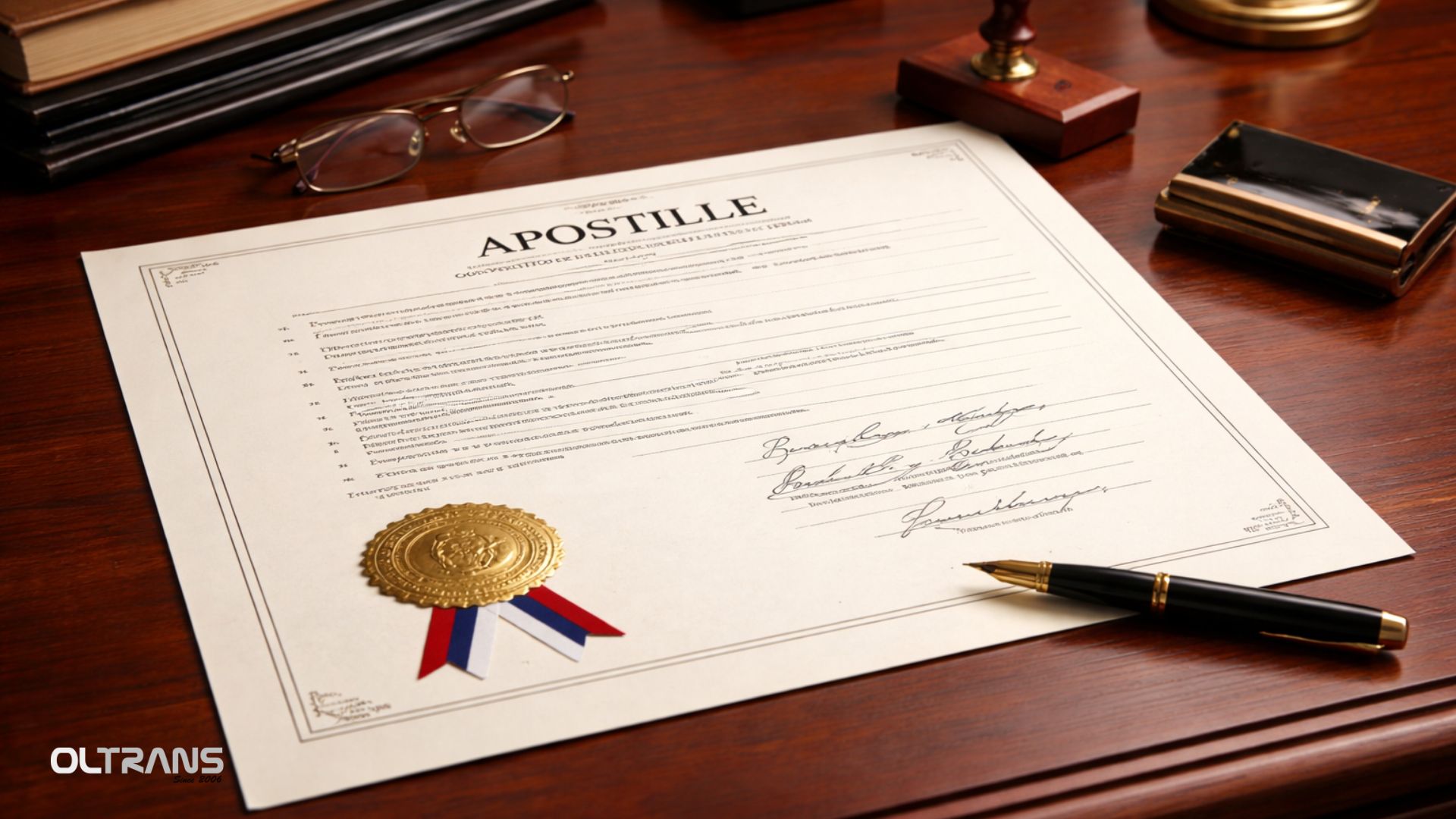
In today’s globalised world, people and businesses are increasingly required to have documents recognised across borders. Whether for study abroad, employment, business contracts, or legal matters, documents often need to be verified and accepted by foreign authorities. One way to do this is by obtaining an apostille.
An apostille is an official certificate that authenticates documents for international use. It ensures that a document issued in one country is recognised in another country, particularly in nations that are members of the Hague Convention of 1961.
This article will explain exactly what an apostille is, when it is required, which documents can be apostilled, and the process for obtaining an apostille anywhere in the world.
- Published in Language Services
What Is Document Legalisation?

What Is Document Legalisation?

In today’s interconnected world, people are increasingly mobile — studying abroad, getting married in another country, relocating for work, or applying for visas and residency. Each of these life events involves paperwork, and often the documents you already have — birth certificates, marriage certificates, academic diplomas, court rulings, or medical records — will need to be presented to foreign authorities.
But here’s the challenge: a document that is perfectly valid in the country where it was issued is not automatically recognised abroad. Governments, universities, employers, and courts want to be certain that the papers submitted to them are genuine, legally issued, and free from fraud.
This is where document legalisation comes into play. Legalisation is the official process that makes a national document acceptable in another country. It doesn’t change the content of the document; rather, it confirms that the document is authentic, issued by a competent authority, and bears a valid signature or seal.
Without legalisation, even legitimate documents can be rejected by foreign institutions, leading to delays, missed opportunities, or cancelled applications. With it, your documents gain international credibility and are ready for cross-border use.
This article explains:
- What document legalisation is
- When it’s required
- The different types (apostille vs consular)
- The general process involved
- Typical costs, timelines, and pitfalls to avoid
Whether you’re a student, professional, business owner, or private individual, understanding legalisation ensures that your documents are recognised where they matter most — abroad.
- Published in Language Services
What Is an Official Translation?

What is official Translation?

Introduction
In today’s interconnected world, crossing borders has become an essential part of our lives — whether for education, work, legal matters, healthcare, or family. As people move across countries and interact with foreign institutions, they often need to present documents issued in one language and jurisdiction to authorities in another.
That’s where the concept of an official translation comes in. This isn’t just a regular translation done by a bilingual friend or through an online tool — it’s a certified, verified and legally recognized translation that institutions such as embassies, universities, courts, or ministries can trust.
But what exactly is an official translation? When do you need one? Who is allowed to produce it, and what makes it “official” in the eyes of the law?
In this article, we’ll walk you through everything you need to know — clearly and practically — so you can avoid costly delays and legal complications.
- Published in Language Services