


Translation and Legalization When Applying for Citizenship

Translation and Legalization When Applying for Citizenship
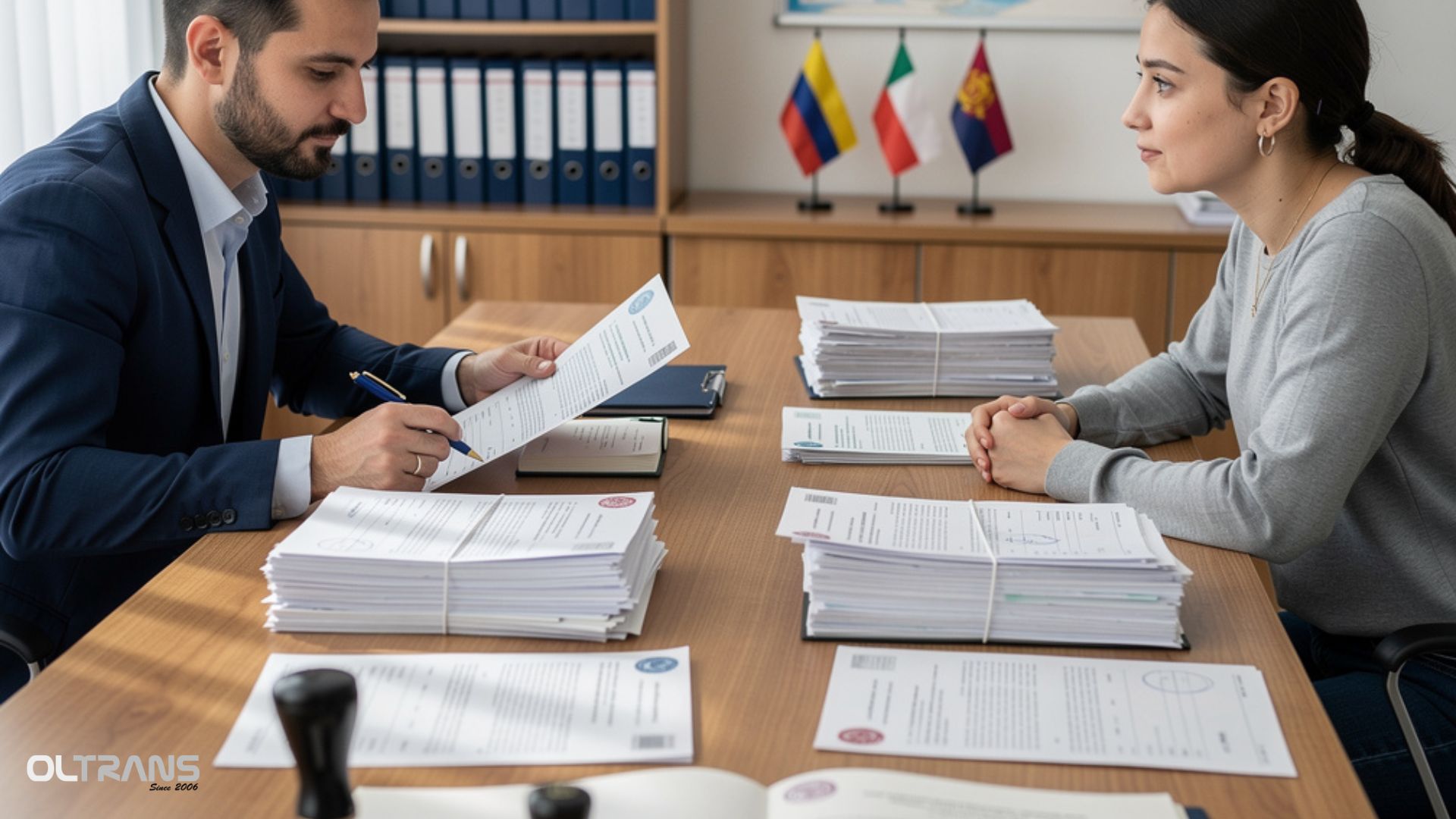
Applying for citizenship is a complex and often lengthy process where documentation is crucial. Every country sets its own requirements for translations and legalizations to ensure that submitted information is both authentic and understandable. Any mistake in this step can cause serious delays or even rejection of the application. (more…)
- Published in Language Services
Legalisation of Marriage Documents: Understanding, Importance, and Global Recognition

Legalisation of Marriage Documents: Understanding, Importance, and Global Recognition

Marriage is one of the most significant life events, not only socially and emotionally, but also legally. It establishes rights, responsibilities, and recognition for individuals, families, and communities. In modern societies, a marriage is much more than a personal commitment—it is a legal contract recognised by the state and often, internationally.
Marriage documents, such as marriage certificates, are official proofs of this commitment. They serve as evidence of a union, enable the exercise of legal rights, and provide a foundation for other civil, financial, and social interactions. Understanding the nature of these documents, their uses, and the need for legalisation is crucial, especially when marriages cross national borders or involve international legal processes. (more…)
- Published in Language Services
Apostille and Legalisation for Students Abroad

Apostille and Legalisation for Students Abroad

In recent years, more and more Bulgarian students are choosing to pursue their higher education abroad. The United States, known for its prestigious universities and diverse academic programs, is a popular destination for many students. However, when applying to study abroad, one often overlooked but essential aspect is the legalisation or apostille of documents. These procedures are necessary to ensure that official documents issued in Bulgaria will be recognised by foreign institutions, including universities in the US.
The terms “apostille” and “legalisation” can be confusing, especially for those who are not familiar with international legal processes. This article aims to demystify these concepts, explaining the steps and requirements students need to follow in order to prepare their documents for use abroad. (more…)
- Published in Language Services
Document Translation Requirements for Immigration Purposes

Document Translation Requirements for Immigration Purposes

When U.S. citizens or companies plan to use their documents abroad, one of the biggest hurdles they face is ensuring that these documents are recognized as valid by foreign governments. A diploma issued in New York, a power of attorney notarized in California, or a birth certificate from Texas will not automatically be accepted overseas. To be recognized, these documents must go through document legalisation — a process that verifies their authenticity.
For countries within the European Union, the process is often simplified through international agreements. However, for non-EU countries, and especially those that are not part of the Hague Apostille Convention, the requirements can be much stricter and more complicated.
This article will provide a detailed overview of how U.S. documents can be legalized for use in non-EU countries. It will break down the process step by step, discuss the Hague Apostille Convention, examine specific country requirements, and provide practical tips for avoiding common pitfalls. (more…)
- Published in Language Services
Translation and Legalisation of Documents for Use in the United States

Translation and Legalisation of Documents for Use in the United States

When dealing with official documents in the United States, it is crucial to understand the processes of translation and legalisation. Whether you are applying for a visa, seeking employment, or pursuing educational opportunities in the U.S., having the right documentation is essential. In many cases, documents issued outside the U.S. need to be translated into English and legally recognised by American authorities. This article will break down the entire process, providing clarity on how to ensure that your documents meet U.S. standards. (more…)
- Published in Language Services
Do Official Translations Get Recognized Between Countries?

Do Official Translations Get Recognized Between Countries?

In today’s globalized world, communication and the exchange of information between different countries are a daily part of both business and personal matters. Whether it’s for legal proceedings, academic purposes, or business transactions, accurate and certified translations play a pivotal role in ensuring smooth interactions across borders. However, an important question arises: Do official translations get recognized between countries?
Official translations are necessary when documents issued in one country need to be used in another. But for these translations to be valid and accepted, they often need to undergo specific procedures to ensure their authenticity. These processes may include legalization or apostille, and the recognition of these translations varies depending on the countries involved.
- Published in Language Services
Certificates and Attestations – Do They Require an Apostille?

Certificates and Attestations – Do They Require an Apostille?

When it comes to using personal or professional documents abroad, many people face the question of whether they need to be legalised through an apostille. Documents such as certificates and attestations often require an apostille to be officially recognised outside the country of issuance. In this article, we will explore when and why an apostille should be placed on certificates and attestations, what the process involves, and what requirements need to be followed. (more…)
- Published in Language Services
What Medical Documents Can Be Officially Translated?

What Medical Documents Can Be Officially Translated?
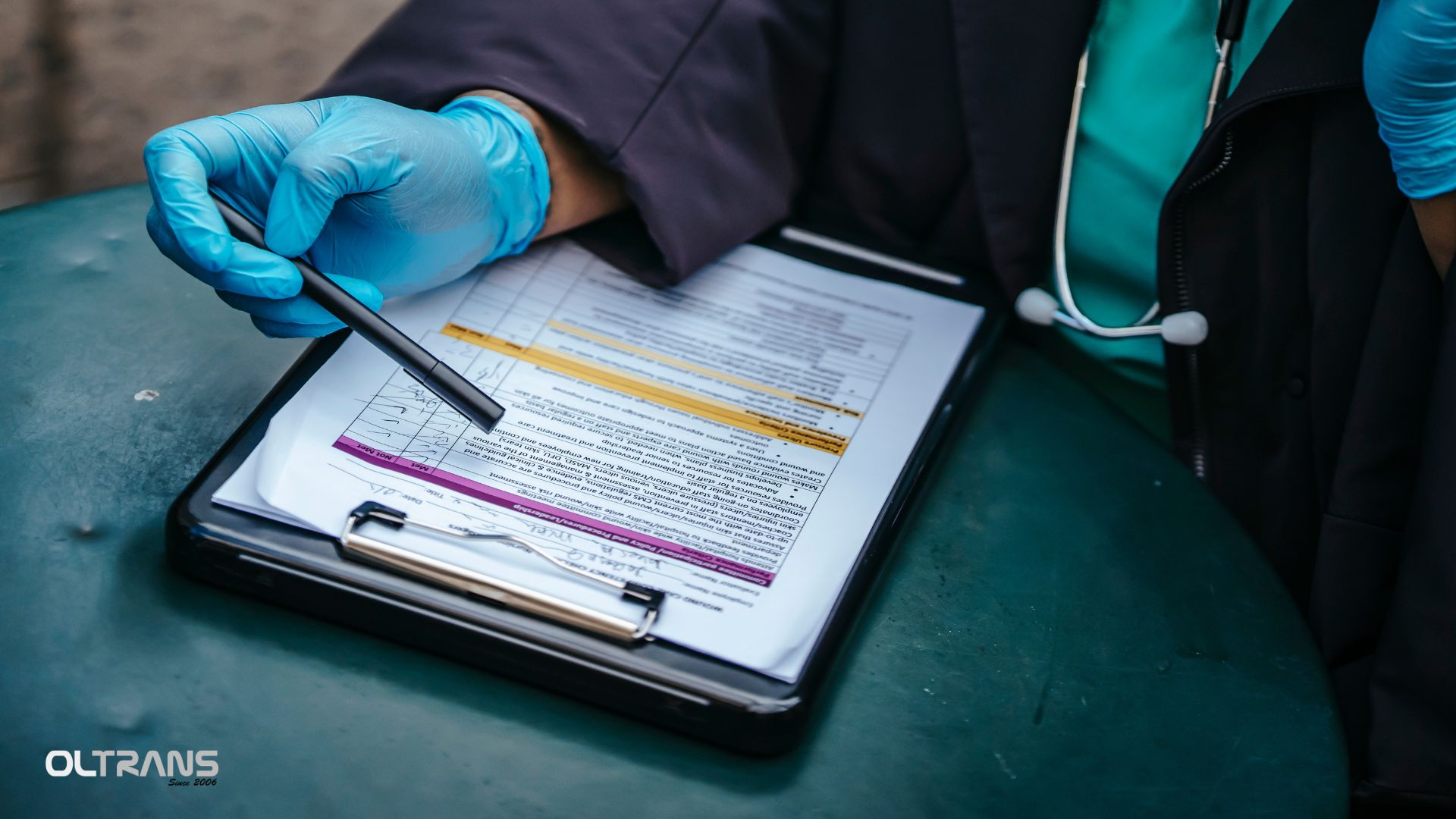
Medical documents play a crucial role when it comes to treatment, education, or work abroad. When you need to present your medical documents in a foreign country, they often need to be officially translated and legalised. Legalisation and translation ensure that the documents will be recognized and valid by institutions such as hospitals, universities, employers, and government agencies abroad.
The question of the legalisation of medical documents often arises in the context of international travel, migration, medical procedures abroad, or educational programs. It is essential to understand which medical documents can be officially translated and what the legalisation requirements are in different countries.
In this article, we will explore which types of medical documents are subject to official translation and legalisation, what the process entails, and why it is crucial for their international validity.
- Published in Language Services
Does a Foreign Diploma Need to Be Legalised?

Does a Foreign Diploma Need to Be Legalised?

Legalising a diploma from abroad can seem like a complicated process, especially if you’re unfamiliar with the requirements of the country where it will be used. Diplomas serve as proof of your education, qualifications, and achievements. However, in order for a diploma obtained in one country to be recognised in another, it often must go through a process of legalisation. This is necessary to ensure that the document is valid and accepted by foreign institutions, whether for education, employment, or legal purposes.
In this article, we’ll explore why and when a foreign diploma needs to be legalised, the steps involved in the legalisation process, the potential challenges, and what needs to be done to make sure your diploma is accepted abroad.
- Published in Language Services
Do ID Cards or Passports Require Legalisation?
Do ID Cards or Passports Require Legalisation?
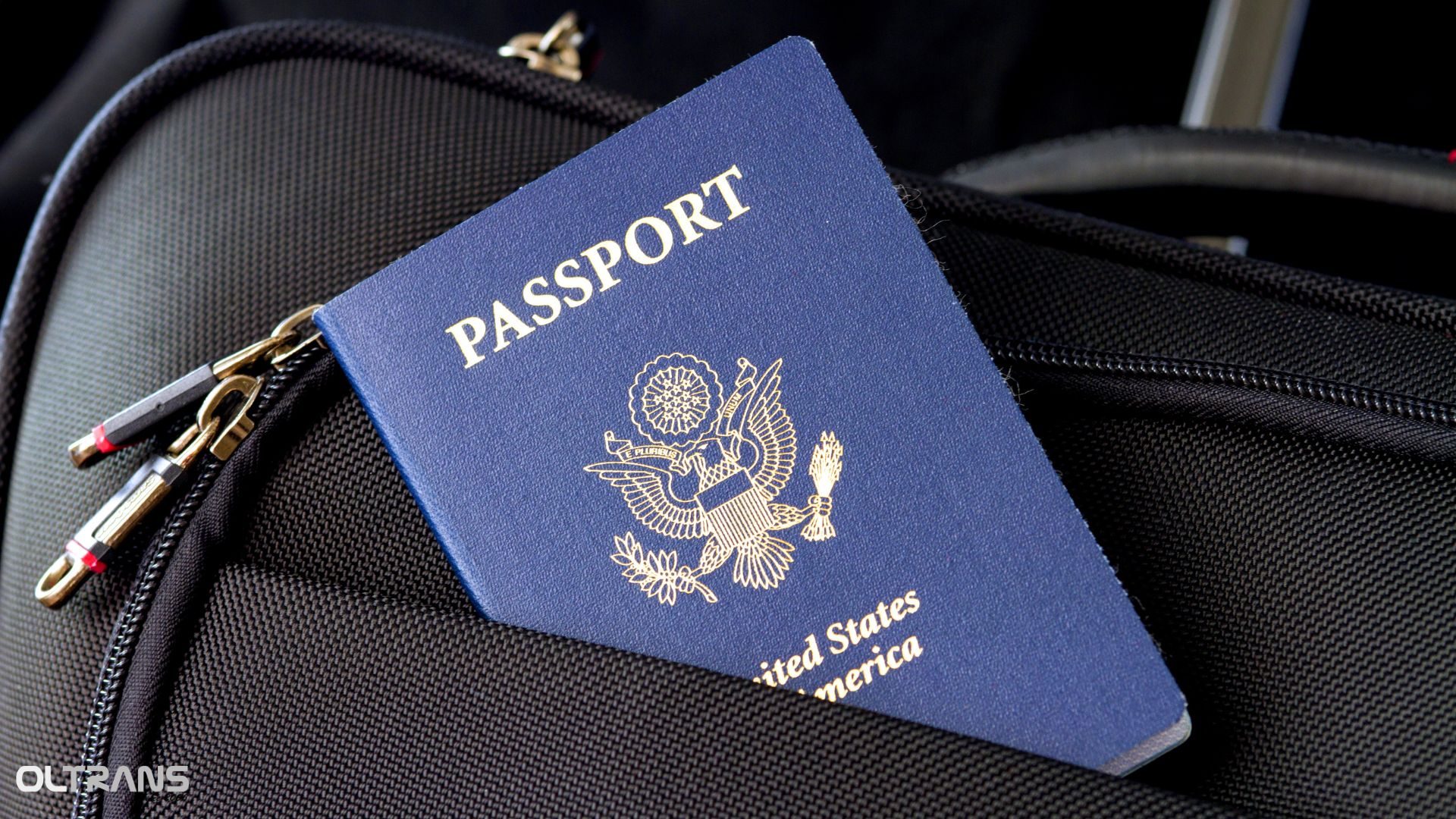
ID cards and passports are the primary identity documents for citizens and are used not only for personal identification but also for a wide range of administrative procedures abroad – from checking into hotels and opening bank accounts to applying for jobs or educational programmes. Many people wonder whether these documents need to be legalised when used internationally.
Legalisation is generally required for official documents that will be presented to foreign authorities. However, for personal identity documents such as passports and ID cards, the situation is slightly different: the original documents are not directly legalised or apostilled. Instead, notarised copies and certified translations are typically used if the receiving institution requires formal verification of the document.
In this article, we will explore why ID cards and passports are not legalised directly, how they should be prepared for use abroad, the steps involved in notarising copies and translations, and what individuals need to know to avoid potential issues when presenting their identity documents to foreign authorities.
- Published in Language Services