What is an Apostille and When is it Used?
What Is an Apostille and When Is It Used?
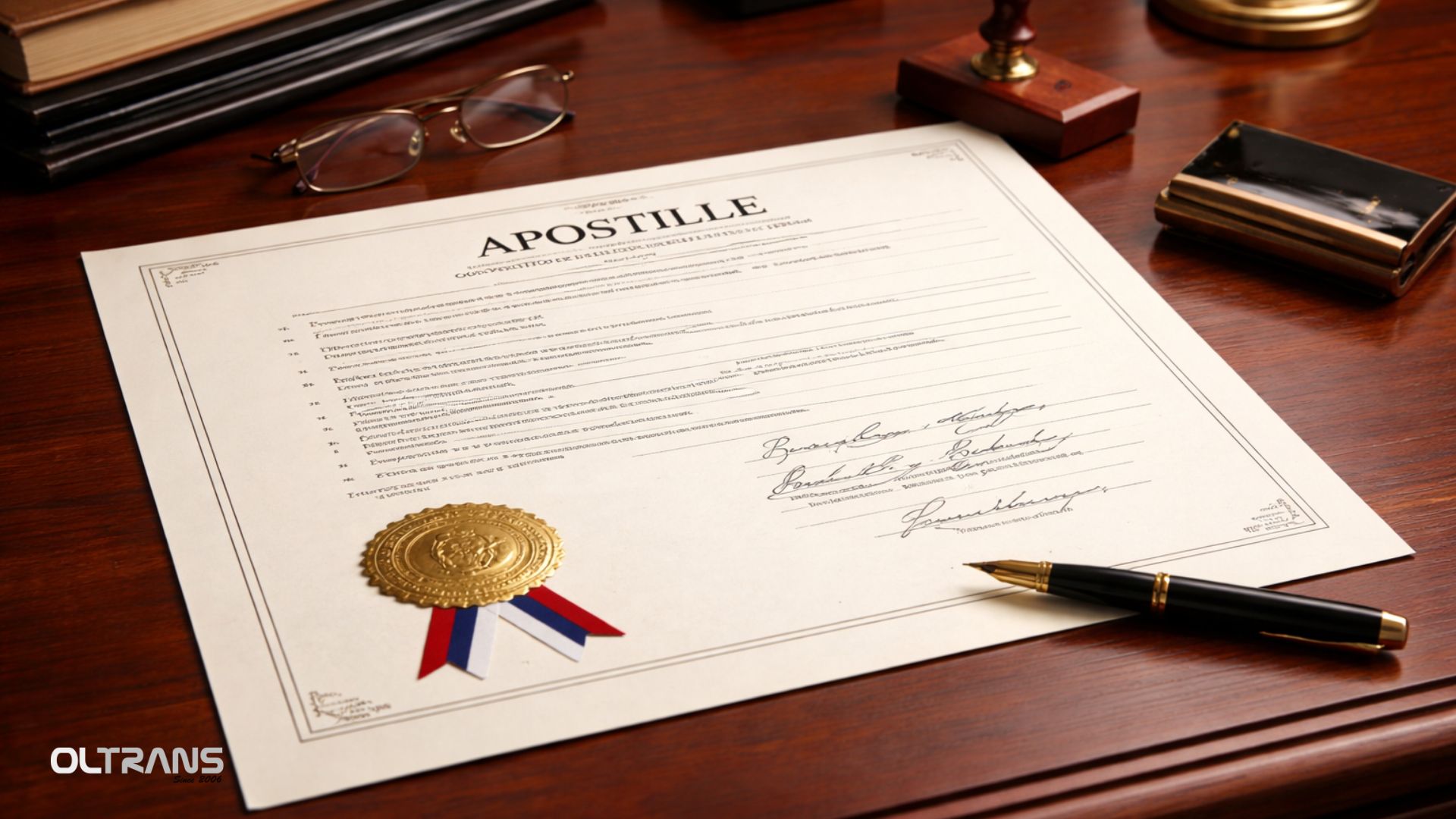
In today’s globalised world, people and businesses are increasingly required to have documents recognised across borders. Whether for study abroad, employment, business contracts, or legal matters, documents often need to be verified and accepted by foreign authorities. One way to do this is by obtaining an apostille.
An apostille is an official certificate that authenticates documents for international use. It ensures that a document issued in one country is recognised in another country, particularly in nations that are members of the Hague Convention of 1961.
This article will explain exactly what an apostille is, when it is required, which documents can be apostilled, and the process for obtaining an apostille anywhere in the world.
What Is an Apostille?
An apostille is a certification attached to a document that verifies its authenticity. It confirms that the document was issued by a competent authority in the country of origin, such as a government official, notary, or educational institution. The apostille acts as a stamp of legitimacy, allowing the document to be used internationally without requiring additional legalisation by foreign embassies or consulates.
The apostille process is governed by the Hague Convention of 1961, which was created to simplify and standardise the procedure of authenticating documents for use abroad. More than 100 countries have signed the Hague Convention, making the apostille a widely recognised form of certification for international documents.
The purpose of an apostille is to streamline the process of recognising documents abroad without the need for additional embassy or consulate verification.
When Is an Apostille Used?
An apostille is required whenever a document needs to be used in a foreign country, particularly in countries that are signatories of the Hague Convention.
1. Studying Abroad
When applying to study abroad, you will typically need an apostille for your diplomas, academic transcripts, or language certificates to ensure they are recognised by educational institutions in the destination country.
2. Employment and Immigration
An apostille may be required for various documents such as degrees, criminal record certificates, medical certificates, and power of attorney documents when presenting them to employers or immigration authorities in foreign countries.
3. Marriage and Family Matters
If you are marrying a foreign national or need to prove family relationships (e.g. adoption or inheritance), the marriage certificate or other family-related documents may need to be apostilled for international recognition.
4. Business Transactions and Trade
For international business dealings, including company registration, contracts, or agreements, documents often need to be apostilled to be legally accepted by foreign entities or authorities.
5. Court Documents
Legal documents such as court decisions, powers of attorney, or wills may require an apostille to be recognised by foreign courts or international legal bodies.
Which Documents Are Eligible for an Apostille?
Not all documents are eligible for an apostille. An apostille can only be applied to documents that are officially issued by authorised public authorities.
Exceptions:
Documents issued by diplomatic or consular authorities are not eligible for an apostille.
Who Issues an Apostille?
The process of issuing an apostille depends on the country where the document is issued. Each country has designated authorities responsible for issuing apostilles, which could include:
Ministries of Foreign Affairs – in many countries, the Ministry of Foreign Affairs is the official body that issues apostilles for documents that have been issued by government authorities or public offices.
Judicial or Notary Authorities – in some cases, court documents or notarial documents may be apostilled by the Ministry of Justice, the Court, or Notary Chambers, depending on the legal system.
Other Competent Authorities – some countries allow other bodies such as the Ministry of Education or other government agencies to issue apostilles for documents related to their specific fields (e.g. educational degrees).
How Does the Apostille Process Work?
Submit the Document
To begin the apostille process, you must submit the original document to the relevant authority. Some authorities may require the submission of certified copies if the original document is not available.
Complete an Apostille Request Form
In many countries, you must fill out a request form indicating the type of document and its intended use abroad.
Provide Additional Documents
You may be asked to submit additional documentation, such as identification (e.g. passport, national ID), or proof that the document was issued by an official authority.
Receive the Apostille
Once the document has been reviewed and verified, the apostille will be applied. This serves as an official confirmation of the document’s authenticity for use abroad.
What Documents Can Be Submitted?
When submitting documents for an apostille, it’s important to understand the types of documents that are eligible for this process, as well as any additional steps or requirements needed for the document to be accepted.
1. Original Documents
To begin with, the document submitted for an apostille must generally be the original document issued by an authorised public authority. Copies, scans, or unofficial versions are not accepted unless they have been certified as true copies by a recognised authority (e.g., a notary).
Examples of Original Documents:
Birth Certificates
Marriage Certificates
Death Certificates
Court Documents (such as court orders or judgments)
2. Certified Copies
If the original document cannot be submitted (for example, if it is too old or unavailable), a certified copy of the document may be accepted. This is typically a copy that has been verified by a recognised official (such as a notary, government official, or authorised institution) to be a true copy of the original.
3. Documents Issued by Official Authorities
Only documents that have been issued by official public authorities are eligible for an apostille. This includes:
Government institutions, such as ministries, local authorities, or the civil registry (e.g., birth, marriage, and death certificates).
Educational institutions (e.g., school diplomas, academic transcripts, degree certificates).
Notaries and courts (e.g., powers of attorney, notarised contracts, judicial rulings).
4 Documents That Need to Be Translated
If the document is in a language other than the official language of the receiving country, you will likely need to have the document officially translated into the language of that country.
Important Considerations:
Certified Translation: The translation must be performed by a certified translator or a recognised translation agency that can attest to the accuracy of the translation.
Notarised Translations: In some cases, the translation itself may need to be notarised or apostilled to verify its authenticity.
Some countries require both the original document and the translation to be apostilled.
5. Documents with Special Legal Status
Some documents, such as legal contracts, powers of attorney, or business registration documents, require additional verification or certification beyond the apostille. These documents are typically notarised first and then submitted for apostille. In some countries, these documents may also need to be legalised by consulates before they can be used in another country.
What Happens After the Apostille Is Applied?
After the apostille has been applied, the document becomes legally valid internationally in countries that are parties to the Hague Convention. This means that the document can be used for various legal, administrative, and personal purposes abroad, and its authenticity will be recognised without further verification by foreign consulates or embassies.
Costs and Timeframes for an Apostille
The process of obtaining an apostille can vary in cost and time depending on the country where it is issued, the type of document, and the authority handling the application. While the procedure is generally standardised due to the Hague Convention, the costs and timeframes can differ.
Apostille Costs
Apostille fees can differ significantly across countries. Here are typical costs:
Personal Documents – generally costs between £10 to £35, although it may be higher or lower depending on the country.
Court and Notarial Documents – this type of document may require additional verification or incur higher fees. Costs typically range from £20 to £70.
Educational Documents – degrees, academic transcripts, and certificates generally cost between £15 to £50, although some educational institutions may charge extra for apostille services.
Business Documents – such as company registration certificates, commercial contracts, or business agreements, can cost between £30 to £90, depending on the country and the type of document.
Additional Fees
Some countries charge for express services, which can increase the cost by 20–50% depending on the urgency.
Postal or courier charges may also add additional costs, especially if the apostilled document needs to be delivered internationally.
Timeframes for Apostille Issuance
The time required to obtain an apostille can vary based on the country and institution processing the documents.
Standard Apostille Processing Times – In most countries, the apostille process takes between 3 and 5 working days if all documents are correctly prepared and submitted in a timely manner.
The apostille is an essential procedure for ensuring the international validity of documents and guaranteeing that they will be recognised by authorities in foreign countries. Understanding when and how to use an apostille is crucial for anyone or any organisation that needs to have their documents recognised internationally.
If you need assistance with obtaining an apostille for your documents, feel free to contact us for professional services and fast processing!