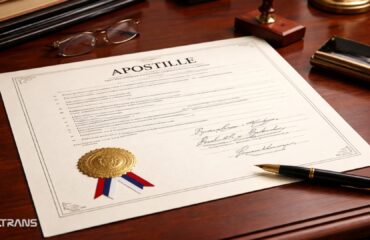
Translation and Legalization of Documents Issued by Religious Institutions

Religious documents play an important role in people’s lives and are significant not only in national but also in international contexts. Many people require certificates for events that have taken place in religious institutions, such as marriage, baptism, confirmation, and others, when it comes to personal status, inheritance matters, or immigration abroad.
Documents issued by religious institutions are often used abroad and need to be recognized by foreign authorities. However, this cannot happen without prior translation and legalization. The process of translating and legalizing these documents is extremely important to ensure they are recognized as official and valid abroad, whether it concerns marriage, baptism, or other religious ceremonies.
The aim of this article is to clarify which religious documents are subject to translation and legalization, what the procedures are, what needs to be known about the apostille and consular certifications, and how to avoid the most common mistakes when using religious documents abroad.
Which Religious Documents Are Subject to Translation and Legalization?
Religious documents issued by different religious institutions are often used in personal, legal, and social contexts that require recognition abroad. Depending on the situation, these documents need to be translated and legalized in order to be recognized by foreign authorities.
Some of the main religious documents that require translation and legalization include:
- Marriage Certificates: When two people get married in a religious institution, their ceremony and marriage certificate need to be recognized abroad. This is especially important when dealing with immigration or resolving inheritance matters.
- Baptism Certificates: These are issued for individuals who have been baptized in a religious institution (e.g., in the Orthodox Church, Catholic Church, etc.). They may be required when declaring personal status, such as for marriage or travelling abroad.
- Confirmation Certificates (Catholic confirmation, Protestant ceremonies, etc.): These documents certify that an individual has undergone a religious ceremony as confirmation of faith and belonging to a specific religious community.
- Divorce or Annulment Certificates (Religious annulment or divorce): In some cases, when a marriage has been annulled or dissolved through religious means, this document may be required by religious and legal authorities abroad.
- Religious Ceremony Certificates: Including documents certifying participation in religious events such as first communion, ordination rites, and other ceremonies.
These documents, when properly translated and legalized, can be used not only in religious but also in legal and social processes abroad. To avoid difficulties in having them recognized, they must be translated by sworn translators and legalized according to local requirements, such as through an apostille or consular certification.
Why is the Translation and Legalization of Religious Documents Important?
Religious documents issued by churches and other religious institutions play a key role in determining an individual’s personal status, such as marriage, divorce, baptism, and others. Despite their importance, these documents are not automatically recognized outside the country in which they were issued. This is why translation and legalization of these documents are essential steps for their international recognition.
Translation Ensures Accuracy and Understanding
Religious documents contain specific terminology that may vary across different religious traditions and legal systems. Without accurate translation, foreign authorities may not fully understand the essence of the document, which could lead to non-recognition or delays in the process. Translation by a sworn translator, specialized in religious and legal terminology, ensures that the document will be understood correctly and be valid for international use.
Legalization Grants Legal Force
Legalization through apostille or consular certification confirms that the document has been issued by a competent authority and holds official status abroad. This is particularly important for documents like marriage certificates or baptismal records, which need to be recognized by foreign courts, notaries, or government institutions. Without this step, the document cannot be used outside the country in which it was issued.
Avoiding Legal Disputes and Rejections
In many cases, when religious documents are used abroad (e.g., for marriage, divorce, or inheritance matters), legal disputes may arise due to misunderstandings or differences in legal systems. Legalization and accurate translation help provide legal security by ensuring that the document will be recognized by foreign institutions and will not lead to conflicts or rejections from legal bodies.
Translation and legalization not only make the documents valid, but also ensure they will be accepted and used smoothly in an international context.
Legalization Procedure – Apostille or Consular Certification
The legalization process is crucial for certifying the authenticity of documents issued by religious institutions that will be used abroad. Legalization ensures that these documents will be recognized by foreign authorities and will have legal force outside the country in which they were issued.
Depending on the country where the document will be used, different forms of legalization are required – apostille or consular certification.
Apostille – For Hague Convention Countries
If the country where the document will be used is a signatory of the Hague Convention of 1961, an apostille is required. The apostille is a special stamp affixed by a competent authority (e.g., the Ministry of Justice or the Ministry of Foreign Affairs) that certifies the authenticity of the signature and seal on the document.
The process for obtaining an apostille is quick and easy, as the document is submitted to the relevant authority, which affixes the stamp to the original or certified copy. After the apostille is applied, the document can be recognized in other countries that are signatories of the Hague Convention.
Consular Certification – For Non-Hague Convention Countries
If the country where the document will be used is not a signatory to the Hague Convention, consular certification is required. The process includes two stages:
- Certification at the Ministry of Foreign Affairs in the country where the document was issued.
- Certification at the embassy or consulate of the relevant country in Bulgaria or at the Bulgarian embassy abroad.
This process is more complex and takes more time, as it involves two stages for certifying the authenticity of the document. Once these steps are completed, the document is ready to be used abroad.
Key Difference Between Apostille and Consular Certification
The main difference between an apostille and consular certification is that the apostille is used only for countries that are signatories of the Hague Convention and offers a simpler and faster legalization process. On the other hand, consular certification is necessary for countries outside the Convention and involves additional steps and more processing time.
Translation of Religious Documents – Specific Requirements and Challenges
The translation of religious documents requires special attention to detail, as these documents contain specific terminology that must be properly interpreted and adapted for international use. Since religious documents often include terms not used in secular legal contexts, accuracy in translation is of utmost importance.
Legal and Religious Terminology
Religious documents often contain terms that have specific meanings within the context of a particular faith. For example, terms like “marriage in a religious context,” “baptism,” “confirmation,” or “annulment of marriage” may have different interpretations in different religious traditions and legal systems.
The translator needs to be not only a language specialist but also well-versed in religious practices and terminology to avoid misinterpretation. Inaccurate translation of these terms can lead to misunderstandings or legal issues in foreign jurisdictions, which can delay or block the process.
Requirements of Different Countries
Differences in legal systems and the requirements of countries can create additional challenges when translating religious documents. Some countries may require special formats or additional certifications for these documents that do not exist in Bulgaria. For example, countries with different religious systems may not recognize certain rituals or ceremonies if they do not meet their internal standards.
Translation and Certification Standards
The translation of religious documents must be carried out by a sworn translator who can ensure accuracy and legal validity of the translation. In some cases, when documents include complex religious terms, additional explanatory translation may be required to clarify the context of these terms.
Furthermore, when the documents are to be used abroad, they must not only be translated but also legalized (through apostille or consular certification) in order to be recognized by foreign authorities. Without this step, the documents will not have legal force outside the country in which they were issued.
Which Institutions Require Translated and Legalized Religious Documents?
Religious documents are often used not only in religious contexts but also in various legal and administrative situations that require international recognition. This includes marriages, inheritance matters, immigration, insurance, and other legal procedures. To be recognized abroad, religious documents must go through a translation and legalization process.
Some of the main institutions and bodies that require translated and legalized religious documents include:
- Notaries and Courts – For marriages, divorces, or inheritance matters, foreign courts or notaries require official translations and legalization of religious documents to confirm their validity.
- Educational Institutions – In some cases, when proof of affiliation to a specific religious community is required (e.g., when applying for student visas or special school programs), religious documents must be legalized and recognized by foreign institutions.
- Government and Local Authorities – When submitting documents for civil status (such as name changes after marriage or the issuance of new identification documents), religious documents may need to be presented and properly translated and legalized.
- Insurance Companies – When filing claims or receiving insurance benefits, some insurance companies require proof of events like marriage or divorce, which are sometimes validated through religious documents.
- Embassies and Consulates – To prepare immigration documents or provide legal protection, embassies of different countries require religious documents that must be translated and legalized according to their requirements.
The common requirement for all these institutions is that religious documents must be properly translated and legalized to have legal force outside the country in which they were issued.
Common Problems and How to Avoid Them
When translating and legalizing religious documents, several issues can arise that may delay or even block the recognition process of these documents abroad. Understanding potential difficulties and how to avoid them is key to successfully completing the procedure.
Missing Apostille or Consular Certification
One of the most common problems when legalizing religious documents is the absence of an apostille or consular certification. Many people underestimate the need for legalization and attempt to use documents without preparing them according to international requirements. It is crucial to ensure that the documents are legalized with either an apostille or consular certification, depending on the country where they will be used.
Incorrect Translation of Religious Terms
Religious documents often contain specific religious terminology that can be interpreted differently in different jurisdictions. Incorrect translation of terms such as “confirmation,” “baptism,” or “annulment of marriage” can lead to misunderstandings or rejections by foreign institutions. To avoid this, it is important to work with professional translators who have experience in religious and legal terminology.
Delays Due to Incorrectly Filled Forms
Some institutions require religious documents to be submitted with additional forms or certificates that must be filled out and submitted along with the main document. Incorrectly completed forms or missing additional documents can lead to delays in the procedure.
Differences in Requirements Between Countries
Differences in requirements between countries can cause confusion. For example, some countries may require notarial certification of religious documents, while others only accept documents with an apostille. To avoid such problems, it is essential to familiarize yourself with the requirements of the country where the documents will be used and start the preparation process in a timely manner.
Lack of Suitable Translators
Using non-professional translators for religious documents can result in incorrect translations and rejections by foreign institutions. To avoid this issue, it is crucial to ensure that the translation is carried out by a sworn translator who is familiar with religious and legal terminology.
The translation and legalization of religious documents are essential steps for their recognition and validity in an international context. Whether it is marriage certificates, baptismal certificates, or other religious ceremonies, properly prepared documents ensure legal validity and can be used without problems abroad.
Without accurate translation and appropriate legalization, religious documents may not be recognized by foreign authorities, which can lead to delays or rejections in processes such as marriages, divorces, inheritance cases, and other legal matters. This is why it is important to consult with professionals who have experience in translating and legalizing religious documents.
The most common mistakes, such as missing apostilles, inaccurate translations, or incomplete documents, can be avoided with proper preparation and attention to detail. To go through the process smoothly and quickly, it is essential to trust specialists who understand the requirements of international and religious institutions.
This is where Oltrans comes in – a company with years of experience in translating and legalizing documents, including those issued by religious institutions. Our team offers:
- Sworn translations in various languages, tailored to the specific requirements of the country where the documents will be used.
- Full organization of the process – from apostille to final certification.
- Assistance with tight deadlines and specific requirements of foreign institutions.
If you are about to use religious documents abroad and want to ensure they will be accepted without any issues, trust Oltrans. With our help, you will go through the process quickly, safely, and without unnecessary stress, so you can focus on what matters most: your personal and religious affairs.