What Medical Documents Can Be Officially Translated?
What Medical Documents Can Be Officially Translated?
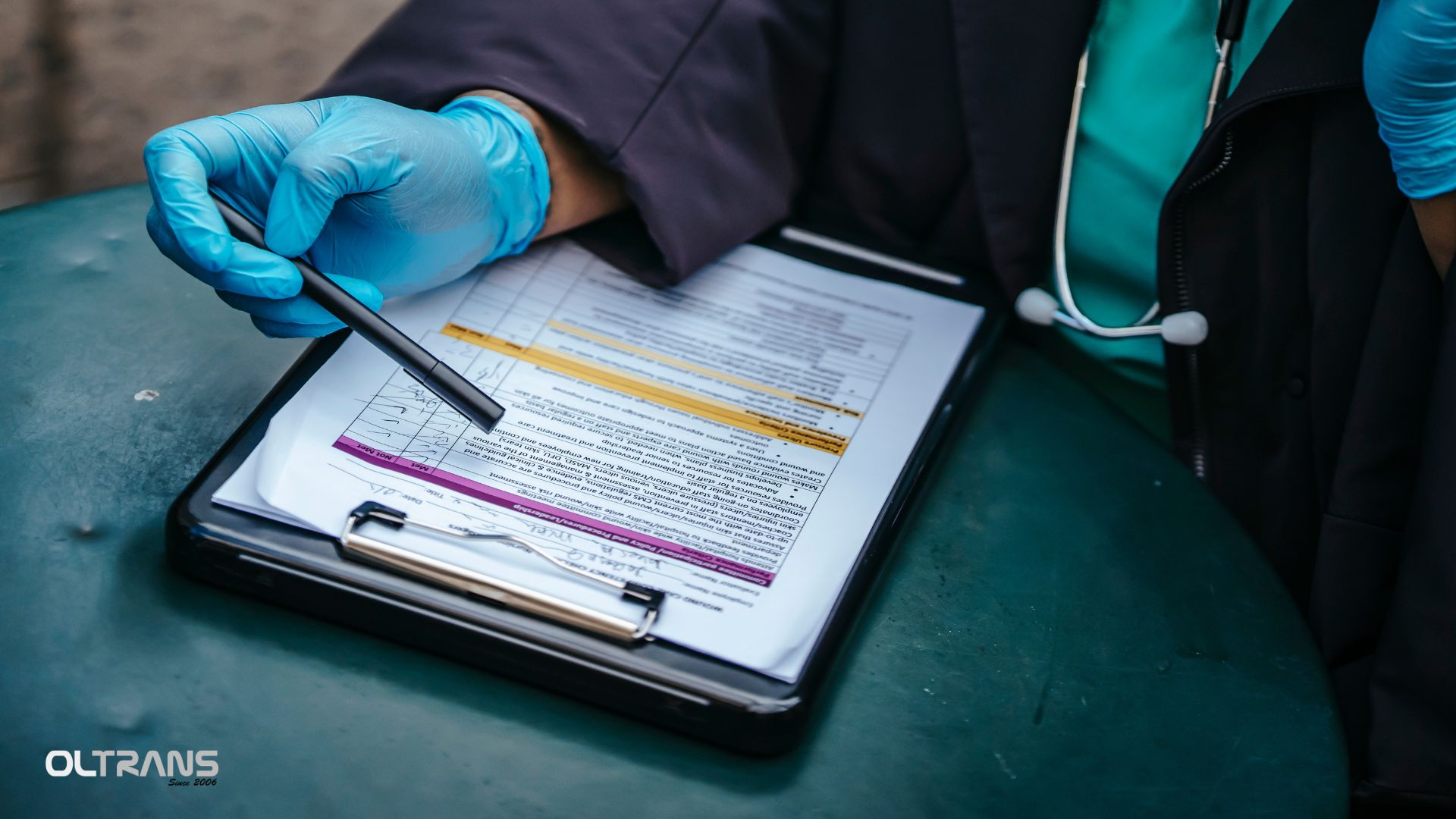
Medical documents play a crucial role when it comes to treatment, education, or work abroad. When you need to present your medical documents in a foreign country, they often need to be officially translated and legalised. Legalisation and translation ensure that the documents will be recognized and valid by institutions such as hospitals, universities, employers, and government agencies abroad.
The question of the legalisation of medical documents often arises in the context of international travel, migration, medical procedures abroad, or educational programs. It is essential to understand which medical documents can be officially translated and what the legalisation requirements are in different countries.
In this article, we will explore which types of medical documents are subject to official translation and legalisation, what the process entails, and why it is crucial for their international validity.
Types of Medical Documents That Can Be Officially Translated
Medical documents play a critical role when it comes to proving health conditions, medical histories, or professional qualifications. Depending on the context and purpose, these documents must often be officially translated to be used abroad. The official translation of medical documents is essential for their legal validity and recognition by foreign institutions and authorities. Below, we will look at the main types of medical documents that can be officially translated:
Medical Records and Patient Files
These documents include details about the patient’s health condition, medical procedures performed, prescribed medications, and results from various medical tests. When a patient travels abroad for treatment or consultation with foreign doctors, these records must be translated to be properly understood by the medical team in the foreign country. Translating the medical history is crucial to ensure that the treatment will be appropriately directed and that healthcare professionals have the necessary information regarding the patient’s condition.
Laboratory Results
Laboratory results are a crucial element in medical diagnosis and treatment. They often include blood tests, virus screenings, allergy tests, hormone levels, and other biological parameters. If a person is travelling abroad for further tests or medical consultations, these results must be translated into the language of the country to be accurately interpreted and used by the medical professionals there. Proper translation ensures that the healthcare team can make informed decisions based on the patient’s current health data.
Medical Certificates and Attestations
A medical certificate confirms that a person is in good health or, conversely, has a specific illness that may limit their ability to work or travel. These types of documents are typically required when applying for jobs abroad or participating in sporting events. The certificate provides essential information about the individual’s health status and is often necessary to meet the health and fitness requirements of foreign employers or event organisers. For international use, medical certificates may need to be translated and legalised to ensure they are recognized by the relevant authorities in the foreign country.
Medical Prescriptions
Medical prescriptions, which include prescriptions for medication, specialised therapies, or other medical instructions, may also be required for translation, especially when the patient travels abroad for treatment. These documents must be officially translated so that foreign medical staff can continue treatment and provide consultations, following the instructions from the original healthcare provider. Official translation ensures that the foreign healthcare professionals fully understand the prescribed treatment and adhere to the guidelines provided by the prescribing doctor.
Medical Insurance Documents
These documents confirm that an individual holds medical insurance and is eligible for treatment if necessary. When a patient is abroad and needs to make insurance claims, the documents must be translated into the language of the country to be recognised by the insurance companies. The translation ensures that the insurance providers can properly assess the claims and verify the coverage details, enabling the patient to receive the required treatment without complications.
Medical Licenses and Permits
Medical licenses, which certify an individual’s right to practice medicine or perform specific medical procedures, must also be translated when necessary. When medical professionals plan to work abroad, their licenses and other related documents must be recognised by the relevant foreign institutions. This requires their legalisation and official translation into the language of the country where they will be practising. The translated documents ensure that the medical professional’s qualifications are acknowledged and meet the regulatory requirements of the host country, facilitating their ability to work in accordance with local medical standards and regulations.
When is Legalisation of Medical Documents Necessary?
The legalisation of medical documents becomes necessary in various situations where the documents need to be recognised by foreign institutions. This process ensures the legal validity of the documents and their official use abroad. Let’s look at the main scenarios where medical documents need to be legalised:
Education and Professional Development
When pursuing education or professional training abroad, medical professionals may need to provide their medical qualifications, certificates, and licenses. These documents need to be legalised to confirm their authenticity and ensure they are recognised by educational institutions or professional bodies in the host country. This is particularly important for doctors, nurses, or other healthcare professionals wishing to further their studies or obtain certification to practice medicine in another country.
Working Abroad
If a medical professional wishes to work abroad, their qualifications, including medical degrees, certifications, and licenses, often need to be legalised. The legalisation process ensures that their professional qualifications meet the standards required by regulatory bodies in the foreign country. This may include documents such as medical degrees, training certificates, or licences to practice. Legalisation guarantees that the documents are officially recognised and accepted by employers or licensing boards in the host country.
Medical Travel and Procedures
In cases of medical treatment or consultations abroad, patients may need to provide medical documents, such as medical histories, lab results, or doctors’ prescriptions. These documents must be legalised to ensure that foreign healthcare providers accept them as official and valid. For example, a patient travelling abroad for surgery or specialist care might need to present legalised documents to confirm their medical condition or treatment history. This is crucial for ensuring continuity of care and making informed decisions about medical treatment.
Requirements for Official Translation of Medical Documents
The official translation of medical documents is crucial when these documents are used outside the country of issuance. Depending on the country where they are being submitted, the translation must be done in a specific way to ensure the legal validity of the document in the foreign jurisdiction.
Licensed Translators and Agencies
The first and most important requirement for translating medical documents is that it must be carried out by licensed or certified translators. This means that the translator must have the appropriate qualifications to verify their competence in medical terminology. This is particularly crucial because any mistake or inaccuracy in the translation of medical terms can lead to serious legal and health consequences.
Licensed translators are typically registered with specialized directories or certified by official institutions, ensuring that their work is recognised internationally. In some cases, especially for translations of medical documents, the translator may be required to hold a certificate or training in the specific medical field in order to handle the complex terminology effectively.
The Translation Must Be Accurate and Complete
The translation of medical documents must be accurate and complete. This means that no information should be omitted, and the content of the original document must not be altered. The translator must maintain the accuracy of medical terms, as well as the document formats, such as dates, numbers, and statistics.
This requirement is particularly important when translating medical histories, laboratory results, prescriptions, and medical licences, as any inaccuracy or omission could lead to incorrect diagnoses, improper treatment, or denial of healthcare services abroad.
Notarisation of the Translation
In addition to the translation itself, some institutions require the translation to be notarised. This means that a notary must verify that the translation is accurate and corresponds to the original document. Notarisation adds an additional level of legitimacy to the translated document, serving as a confirmation that it is official and accepted by the relevant authorities.
The notary typically checks whether all the information from the original document has been correctly transferred into the translation and ensures there are no inaccuracies or alterations. Notarisation provides assurance to institutions that the translation is reliable and precise.
Placing an Apostille
Depending on the country where the document is intended to be used, an apostille may be required to confirm the authenticity of the translated document. If the country is a signatory of the Hague Convention, the apostille will be placed on the notarised copy of the document. The apostille is an internationally recognised seal that certifies the document has been issued by a competent authority and is valid for use abroad.
The process of placing an apostille on medical documents, as well as on other documents, is usually carried out by the relevant ministry or authority in the country of issue.
Legibility and Quality of the Translation
Another important factor to consider is the quality of the translation. The translation must be clear, legible, and professionally executed. Given that medical documents contain sensitive information such as diagnoses and treatment plans, it is crucial that they are presented in a manner that avoids any misunderstandings or legal ambiguities.
The legibility of the translation is not only important for aesthetic reasons but is also critical for the accurate interpretation of the information by the relevant medical authorities and professionals abroad. It ensures that medical staff can properly understand the details of the patient’s health, facilitating appropriate treatment and care.
Inaccurate translations could lead to serious consequences, such as misdiagnosis, incorrect treatment, or denial of healthcare services. Therefore, it is essential that the translated documents are easy to read and that all information is faithfully transferred without any omission or distortion.
Requirements of Foreign Institutions
Not all institutions require the same formalities for the official translation of medical documents. Different countries and institutions may have specific requirements regarding the format of the document, the way translations are presented, and additional certifications, such as notarised copies or specialised forms.
Therefore, it is crucial to consult with the institution that will receive the documents in advance to understand exactly what requirements must be followed. Some institutions may require not only notarisation but also a specific format or structure for the document to be accepted.
These requirements can vary widely, with some countries requiring more detailed documentation, such as medical reports in a particular format, while others may accept simpler translations or only require the use of certified translators. Knowing the precise demands of the institution beforehand can help avoid delays and ensure that your documents meet the necessary standards for legal recognition abroad.
It’s also important to note that some countries may have stricter rules for accepting medical documents that are not in their official language. This could involve having the translation certified by a specific body, or even requiring the documents to be translated by a translator who is accredited by a relevant professional association. Therefore, preparing in advance and ensuring all requirements are met is crucial for a smooth process.
Additional Declarations or Forms
In some cases, institutions may require additional declarations or forms to confirm that the information in the medical document is accurate and voluntarily provided. This is especially common with documents related to healthcare services or when consent is required for the release of personal medical information.
Such declarations or forms are often requested when travelling abroad to medical facilities where additional confirmation of the voluntariness of treatment is needed, as well as for ensuring the protection of the patient’s personal data. These forms may be used to ensure that the patient understands and agrees to share their medical information with the institution, whether for the purpose of treatment, medical research, or other healthcare-related services.
The legalisation of medical documents is crucial for their recognition abroad. This process includes translation, notarization, and the application of an apostille or consular legalisation, ensuring that the documents will be internationally recognized and can be used for healthcare services, education, or employment.
Don’t risk delays or rejections. Contact our professional services for the translation and legalization of your medical documents and ensure a smooth process for their international acceptance.