What Are the Procedures and Opportunities for Bulgarian Citizens Who Want to Work in the USA
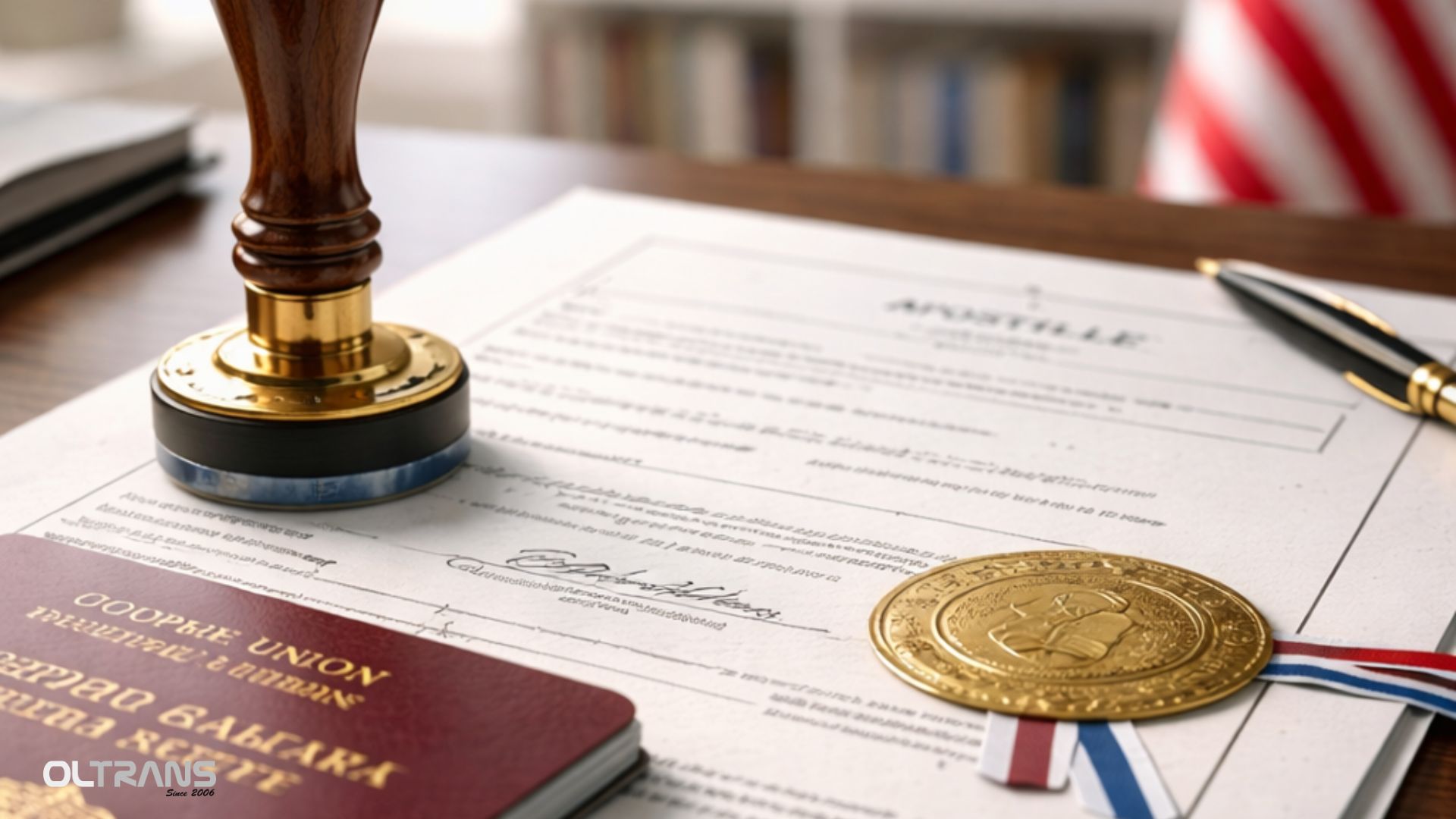
Many people, including Bulgarian citizens, consider working in other countries like the USA. It is important for each of them to understand the requirements for working legally in the USA. The process of obtaining a work visa and legalising documents is not as complicated as it might seem, but it requires thorough preparation and knowledge of the procedures. In this article, we will walk you through the steps to get prepared and explore the opportunities available for Bulgarian citizens who wish to work in the USA.
Visa opportunities for working in the USA
H-1B Visa – Specialty Occupations
What is it? – This is one of the most commonly used visas for workers with specialized skills. It is intended for individuals who hold a bachelor’s degree or higher education in a specific field, such as engineering, information technology, medicine, etc. The employer in the USA must apply for this visa on behalf of the candidate.
Requirements: Candidates must have the appropriate education or skills in the field they are applying for.
Duration: The H-1B visa is typically valid for three years, with the possibility of extension up to six years, depending on the circumstances.
L-1 Visa – Intra-company Transfers
What is it? – The L-1 visa is intended for employees of international companies who are transferred to work at a branch of the same company in the USA. This visa is ideal for individuals already working in multinational corporations who want to continue their work in the US.
Requirements: Candidates must have been employed for at least 12 months within the company before applying for the visa. Those applying must work in managerial positions or as experts in specific fields.
Duration: The L-1 visa can be valid for 1 to 5 years depending on the type (L-1A for managers and L-1B for specialists), with the possibility of extension.
O-1 Visa – Individuals with Extraordinary Ability
What is it? The O-1 visa is for individuals who demonstrate extraordinary ability in a specific field such as the arts, sciences, business, or athletics. This visa is ideal for individuals who have achieved international recognition for their accomplishments.
Requirements: Applicants must prove their extraordinary ability through awards, publications, or endorsements from experts in their respective field.
Duration: The O-1 visa can be granted for a period of up to 3 years, with the possibility of extensions for additional periods.
B-1 Visa – Business Travel
What is it? – This visa is not intended for long-term employment but can be used for short-term business trips to the United States. It is typically used for attending business meetings, conferences, training sessions, or other professional activities.
Requirements: The applicant must prove that the visa is for short-term business purposes and that they do not intend to stay in the United States after their visit.
Duration: The B-1 visa is typically valid for up to 6 months, but it can be extended for an additional 6 months.
Opportunities for Working with a Green Card
There is also the option to work in the United States with a special Green Card. This is a permanent status that allows an individual to live and work in the U.S. without any restrictions. The Green Card, also known as the Permanent Resident Card, provides the holder with permanent residency and the right to work for any employer in the U.S. The process of obtaining a Green Card can be complex, but it offers significant benefits for long-term stay and employment in the country.
How to Obtain a Green Card?
There are several ways to acquire a Green Card for permanent residence and work in the United States. Below are the most common methods:
Through Employer Sponsorship (EB Visas):
If you have an employer who is willing to sponsor your permanent residency in the U.S., you may apply for an EB-1, EB-2, or EB-3 visa depending on your qualifications and expertise.
EB-1 is for individuals with extraordinary abilities, such as multinational executives, outstanding researchers, or individuals with extraordinary achievements in their fields.
EB-2 is for professionals with advanced degrees or exceptional abilities.
EB-3 is for skilled workers, professionals, and other workers.
Through Family Petition:
If you have close relatives who are U.S. citizens or permanent residents, they can assist in sponsoring you for a Green Card. This is a common pathway for spouses, children, parents, and siblings of U.S. citizens.
Through the Green Card Lottery:
The U.S. also offers the Diversity Immigrant Visa Program (Green Card Lottery), which allocates a limited number of Green Cards each year to individuals from countries with low immigration rates to the U.S. Participation in this lottery is random, and eligibility depends on the country of origin.
Process of Applying for a Work Visa in the USA
What You Need to Prepare
CV / Resume – Tailored specifically for the US job market. Ensure that it highlights relevant skills, experience, and achievements that are in line with the expectations of American employers.
Letters of Recommendation – If you have previous work experience, recommendation letters from past employers will be valuable. They provide proof of your capabilities and character in a professional setting.
Diplomas and Certificates – These should be accompanied by certified translations into English. This is particularly important for academic and professional credentials, as they must be recognised by US employers and immigration authorities.
Cover Letter – A cover letter is often required when applying for specialised positions. It allows you to explain your motivation for applying and how your skills and experience make you a strong fit for the role.
Main Documents Subject to Legalisation and Translation for Working in the USA
Passport:
Translation: The passport generally does not need to be translated for working in the USA unless specifically required for a visa or immigration procedure. If translation is required, it must be in English and include accurate information.
Legalisation: Typically, the passport does not require legalisation or an apostille for entry into the USA, as it is the primary travel document. However, depending on the type of visa, additional verification or legalisation may be required.
Visa:
Translation: The visa itself does not require translation, as it is an official document issued in English.
Legalisation: A visa issued by the appropriate U.S. authorities does not need legalisation via an apostille, as it is already recognised by U.S. authorities.
Qualification Documents (diplomas, certificates):
Translation: These documents must be translated into English if they are issued in a language other than English. The translation must be performed by certified translators who ensure the accuracy of the content.
Legalisation: Depending on the institution to which the documents are being submitted, notarisation or an apostille may be required. For example, higher education diplomas or professional qualification certificates typically need legalisation to confirm their authenticity for U.S. employers or educational institutions.
Medical Documents:
Translation: Medical documents such as health certificates or vaccination records need to be translated into English to be understood by U.S. health authorities or employers.
Legalisation: Some medical documents, particularly those related to work permits or immigration procedures, may require legalisation through an apostille or consular verification, depending on the requirements of U.S. institutions.
Choosing the Right Visa Category
The first step in the process of applying for a work visa to the USA is selecting the appropriate visa category for your situation.
Depending on the type of work you are applying for and your professional qualifications, choosing the right category is crucial. Incorrect selection could lead to a visa denial or delays in the process.
Employer Submits the Visa Application
For most work visas, such as the H-1B and L-1, the employer in the USA is the one who must submit the visa application on behalf of the applicant. The employer must provide a range of documents and evidence to demonstrate that the applicant meets all the requirements for the position.
What Documents Are Typically Required from the Employer?
Proof of Failure to Find a Qualified U.S. Worker: This is a crucial requirement, especially for the H-1B visa, where the employer must prove that there are no qualified U.S. candidates available for the position.
Documents Supporting the Need for a Foreign Worker: The employer must justify why hiring a foreign worker is necessary for the position.
Employment Contracts and Terms: The employer needs to provide evidence that the working conditions comply with U.S. labour standards.
Submitting the Petition to USCIS (United States Citizenship and Immigration Services)
Once the employer prepares all the necessary documents, they must be submitted to USCIS. USCIS is the federal agency responsible for processing immigration petitions in the USA.
What Documents Will Be Required for Submission to USCIS?
Petition Form: For example, for the H-1B visa, this is the I-129 form, which must be filled out and submitted by the employer.
Evidence of the Candidate’s Education or Professional Experience: This may include diplomas, certificates, recommendations from previous employers, and other documents proving that the candidate meets the requirements for the position.
Payment of Fees: Typically, a government fee is required for submitting the petition, and the fee amount varies depending on the type of visa.
Waiting for Approval from USCIS
Once the petition is submitted, USCIS will process it and make a decision on whether to approve it or not. The processing time can vary depending on the type of visa and the workload of the agency. For H-1B visas, for example, the processing time can range from a few weeks to several months.
Application Process for a Work Visa in the USA
Once the petition is approved by USCIS, the next step is for the applicant to submit a visa application to the relevant US embassy or consulate. The process includes:
Filling out the DS-160 form: This is the primary form for applying for a non-immigrant visa to the USA. The form must be completed online.
Submitting documents: The applicant must provide necessary documents such as the passport, photos, proof of visa fee payment, and the USCIS approval.
Consular interview: Applicants must attend an interview at the consulate, where questions will be asked regarding their intentions and qualifications.
Issuance of Work Visa
If everything is in order and the consulate approves the application, the applicant will receive the work visa and will be able to begin working in the USA. The visa is typically placed in the passport and grants the right to enter and work in the USA for a specific period, depending on the visa category.
Cultural and Legal Differences in Working in the USA
Working in the United States offers countless opportunities but also presents specific cultural and legal challenges that must be considered. It is important to understand how the work norms, traditions, and legal requirements in the USA differ from those in Bulgaria and Europe. This will help you not only adapt more quickly but also avoid potential misunderstandings that may affect your professional development.
Communication Style
Open meetings and discussions: In many US companies, decisions are made through open discussions and meetings where everyone can express their opinions. The culture of openly sharing thoughts is a key part of the work process.
Increased personal responsibility: Americans are inclined to take responsibility for their projects and tasks and often seek ways to solve problems independently rather than relying on colleagues or managers.
Hierarchy and Management
Low distance between managers and subordinates: Many American companies encourage open communication between employees and managers. For example, managers often share their offices with their subordinates, which differs from the more formal hierarchy in Bulgaria.
Accountability for one’s actions: While managers play an important role, employees are given the freedom to make decisions within their duties, and initiative and personal responsibility for tasks are encouraged.
Legislative Differences and Labour Rights
Right to leave and sick leave: While in Europe, paid leave and sick leave are mandatory, in the US, each employer determines these conditions. Furthermore, there is no federal law requiring paid leave, although many companies offer it.
Protection of workers’ rights: While there are federal laws in the USA that ensure protection of workers’ rights, such as minimum wage and workplace safety, many labour laws are at the state level, and there may be significant differences in workers’ rights across the country.
Conclusion
The process of applying for a work visa in the USA is complex and requires careful preparation. Understanding the correct visa categories and following the application steps will help you navigate the process successfully.