What Does an Official Translation Look Like – Format and Elements
What Does an Official Translation Look Like – Format and Elements
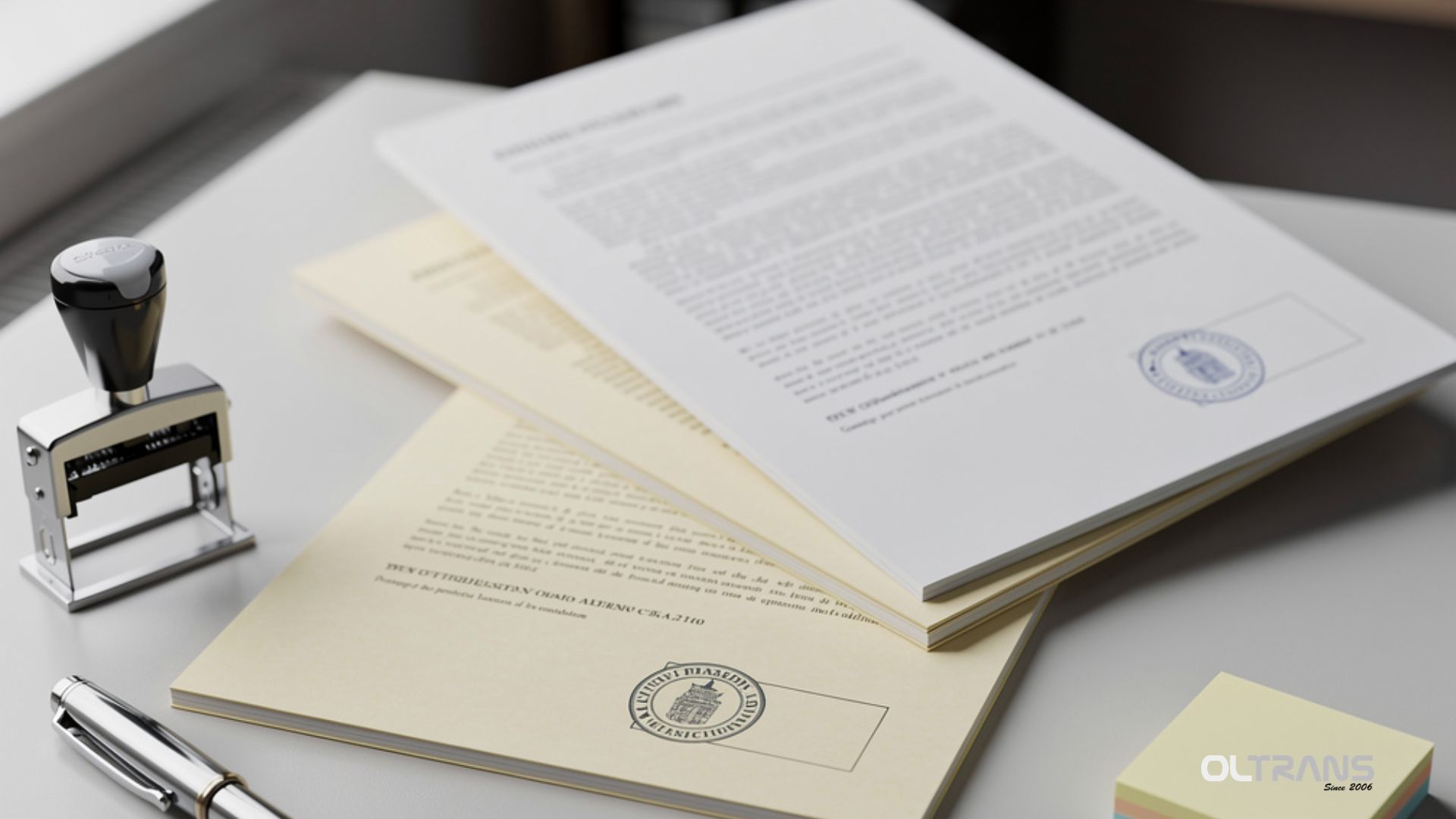
In today’s interconnected world, the need for official translations has become more prevalent as individuals, businesses, and organisations interact across borders. Whether it is for personal, academic, legal, or business purposes, official translations ensure that documents are recognised and legally accepted by foreign institutions. These translations are essential when documents need to be presented to authorities, government bodies, educational institutions, or courts in other countries.
Official translations are not just about converting words from one language to another; they carry legal weight and must adhere to strict guidelines. They must be carried out by certified professionals who can guarantee their accuracy and authenticity.
What is an Official Translation?
An official translation refers to the translation of documents that have legal, administrative, or formal significance. These documents could include birth certificates, contracts, academic qualifications, legal agreements, and other documents that need to be recognised by official institutions abroad.
An official translation goes beyond simple linguistic translation and must meet specific legal standards to be considered valid. It must be performed by a certified translator who guarantees the translation is a true and accurate representation of the original document. In many countries, official translations are required when dealing with immigration, business, legal disputes, or academic recognition.
In English-speaking countries, such as the UK, the US, Canada, and Australia, official translations are needed in various scenarios where documents must be presented to governmental bodies, educational institutions, or courts. These countries often have specific regulations in place to ensure that only certified translators are trusted to carry out official translations.
Key Elements of an Official Translation
Document Title
The title of the document is one of the most crucial components of an official translation. It must be translated accurately, preserving the meaning and context of the original title. The title often gives clear information about the purpose of the document, and therefore, it must be translated in such a way that the receiving institution can easily identify its nature.
For example, a French document titled “Certificat de Naissance” should be translated as “Birth Certificate” in English. There should be no abbreviation or deviation from the original meaning. Accurate translation of the title helps to ensure the document is recognised for what it is, whether it is for personal, academic, or legal use.
Original Text
The core of an official translation is the faithful representation of the original text. The translator must ensure that every word, phrase, and term is translated accurately. Legal, technical, and administrative terms must be translated in line with their legal or professional equivalents in the target language. This requires a deep understanding of the subject matter and the legal framework associated with it.
For example, translating terms related to contracts, legal obligations, or court orders must be done with precision to avoid any legal implications. Any slight mistake in translating a key term could lead to misinterpretation or rejection of the document by the receiving institution. The translator should also pay attention to cultural differences or nuances that could affect the meaning of the document.
In countries where legal systems differ, such as between civil and common law countries, translators must be aware of how certain legal terms or concepts are represented in different legal frameworks.
The Translation Itself
The translation itself must be both accurate and comprehensible. It should not only mirror the content of the original document but also be easy to read and understand in the target language. This is particularly important for documents that will be used in official settings, such as court cases, immigration processes, or academic applications. The language should be clear and free from unnecessary complexity while still maintaining the integrity of the original document’s content.
In official translations, especially those for legal or business use, it is important to keep the language formal and precise. However, the language should also be adapted to suit the requirements of the receiving institution. For example, official translations for immigration purposes might require a more simplified style compared to business contracts or legal agreements, where technical language is essential.
Translator’s Signature and Stamp
For a translation to be deemed official, it must be signed and stamped by the translator. The translator’s signature and stamp confirm that the translation is a true and accurate representation of the original document. These elements also certify that the translator is qualified and authorised to carry out official translations.
In many countries, certified translators are registered with recognised professional organisations, such as the Institute of Translation and Interpreting (ITI) in the UK or the American Translators Association (ATA) in the US. These organisations set professional standards for translation and ensure that only qualified individuals can certify official translations.
The stamp and signature add legitimacy to the translation and ensure that it is recognised by government agencies, courts, and educational institutions.
Declaration of Accuracy
Along with the translator’s signature and stamp, an official translation must include a declaration of accuracy. This declaration states that the translation is a true and accurate representation of the original document. It may be a simple statement like: “I certify that this is a true and accurate translation of the original document to the best of my knowledge.”
This declaration is crucial in establishing the trustworthiness of the translation. It assures the receiving institution that the document has been translated with integrity and attention to detail. Without this declaration, the translation may not be accepted by authorities, as there would be no formal confirmation of its accuracy.
Date and Place of Translation
The date and place of translation should be included in the official translation. This information provides context, confirming when and where the translation was completed. This is particularly important for documents that need to be recent or up-to-date, such as those used in legal proceedings or immigration applications.
For example, the Home Office in the UK may require that any translations submitted as part of a visa application be completed within a certain timeframe. Including the date and place of the translation ensures that the document meets the necessary requirements for timeliness and accuracy.
Format of an Official Translation
Font and Layout
The layout and format of an official translation should resemble the original document as closely as possible. The translated text should be typed in a clear, standard font such as Arial or Times New Roman, typically at a 12-point size. The formatting should mirror the original document’s structure, such as headings, bullet points, and paragraphs, to make it easier for the receiving institution to compare the two versions.
In some cases, an official translation may need to be presented in a specific format requested by the receiving institution. For instance, government bodies or courts may require the document to be presented in a particular style, so it is important to follow any guidelines provided.
Page Numbering
Official translations should maintain the same page numbering as the original document. This is especially important for lengthy documents, such as legal contracts or multi-page certificates, to ensure that every page corresponds correctly. Consistent page numbering helps verify that the translation is complete and matches the original document.
In some instances, the institution receiving the translation may cross-reference the page numbers to check for any discrepancies. Therefore, ensuring the page numbering remains intact is crucial for the validity of the translation.
Preservation of Original Format
If the original document contains any tables, graphs, or images, these must be included in the translation wherever possible. Visual elements such as logos, signatures, or stamps should be carefully replicated in the translation. This ensures that the translation reflects the original document fully, including any important visual context.
In many official translations, particularly for business documents or legal agreements, the visual aspects of the document are essential for understanding its content. For example, if a business contract includes a table of financial data, the translated version should replicate the table to ensure the data is presented clearly.
Legal and Ethical Requirements for Official Translations
Principles of Good Faith and Accuracy
Official translations must be carried out with integrity and accuracy. Translators have a legal and ethical obligation to ensure that their work is faithful to the original document and does not alter the meaning of the text. Inaccurate translations could lead to serious consequences, including the rejection of documents by institutions, legal disputes, or delays in immigration or business processes.
In many countries, certified translators are required to adhere to a code of ethics that guarantees their work is carried out in good faith. This code requires them to avoid conflicts of interest, maintain confidentiality, and produce translations of the highest quality.
Translator’s Responsibility
The translator carries significant responsibility for the accuracy of the translation. If errors or omissions occur, it is the translator who will be held accountable, especially in legal or official matters. In the case of legal documents, any mistranslation could lead to disputes, financial loss, or even a change in the outcome of a case.
Translators are expected to have expertise in the subject matter of the documents they are translating, whether it be legal, technical, or medical. This specialised knowledge ensures that the translator is capable of handling complex terms and phrases with the required precision.
Legitimacy of the Translation
For an official translation to be recognised, it must be completed by a certified translator. In many countries, translators must be accredited by professional bodies or government authorities to certify translations. Without this certification, the translation may not be accepted by institutions like the government, courts, or universities.
In the UK, for example, translators who are members of professional organisations such as the Institute of Translation and Interpreting (ITI) or the Chartered Institute of Linguists (CIOL) are generally the ones authorised to provide official translations. These certifications guarantee that the translation meets the necessary legal and professional standards.
Process of Preparing an Official Translation
Steps Involved in Official Translation
- Receiving the Original Document – The translator receives the original document that requires translation.
- Translation and Review – The translator carries out the translation, ensuring it is accurate and reflects the original meaning. In some cases, a review of the translation may be necessary.
- Certification and Declaration of Accuracy – The translator signs and certifies the translation, including a declaration of accuracy.
- Verification (if necessary) – The translation may need to be verified by a notary public or other relevant authority, especially for legal or official documents.
- Delivery – The completed translation is delivered to the client, along with all necessary supporting documents, such as the translator’s certification.
Potential Challenges
Official translations can be challenging, particularly when the document contains specialised terminology or phrases unique to a particular field, such as law or medicine. In such cases, the translator must have a deep understanding of both the source and target languages, as well as knowledge of the relevant industry or legal terms.
Where are Official Translations Used?
Official translations are required in various situations, including:
- Immigration and visa applications, where documents such as birth certificates, marriage certificates, and academic records need to be translated.
- Business contracts and legal agreements, where accuracy is crucial to ensure the document’s validity in a foreign jurisdiction.
- Academic recognition, where students’ qualifications need to be translated to be recognised by institutions in different countries.
- Legal proceedings, where documents such as court orders, affidavits, and witness statements must be translated accurately.
These examples show the broad range of uses for official translations and how important they are for ensuring the legitimacy of documents in different international settings.
Official translations are a fundamental part of modern legal, administrative, and business processes. They ensure that documents retain their legal value and can be used across borders, allowing individuals and organisations to engage in international matters with confidence. Understanding the format and key elements of an official translation is essential for ensuring that your documents are recognised and legally valid, whether you are dealing with immigration, business contracts, or academic recognition. By adhering to these requirements, you can ensure that your translations are accepted by the relevant authorities, enabling you to navigate the complexities of international communication seamlessly.
Save time and avoid complications! Get in touch with our team for precise official translations, fully certified and ready for use worldwide.