Do ID Cards or Passports Require Legalisation?
Do ID Cards or Passports Require Legalisation?
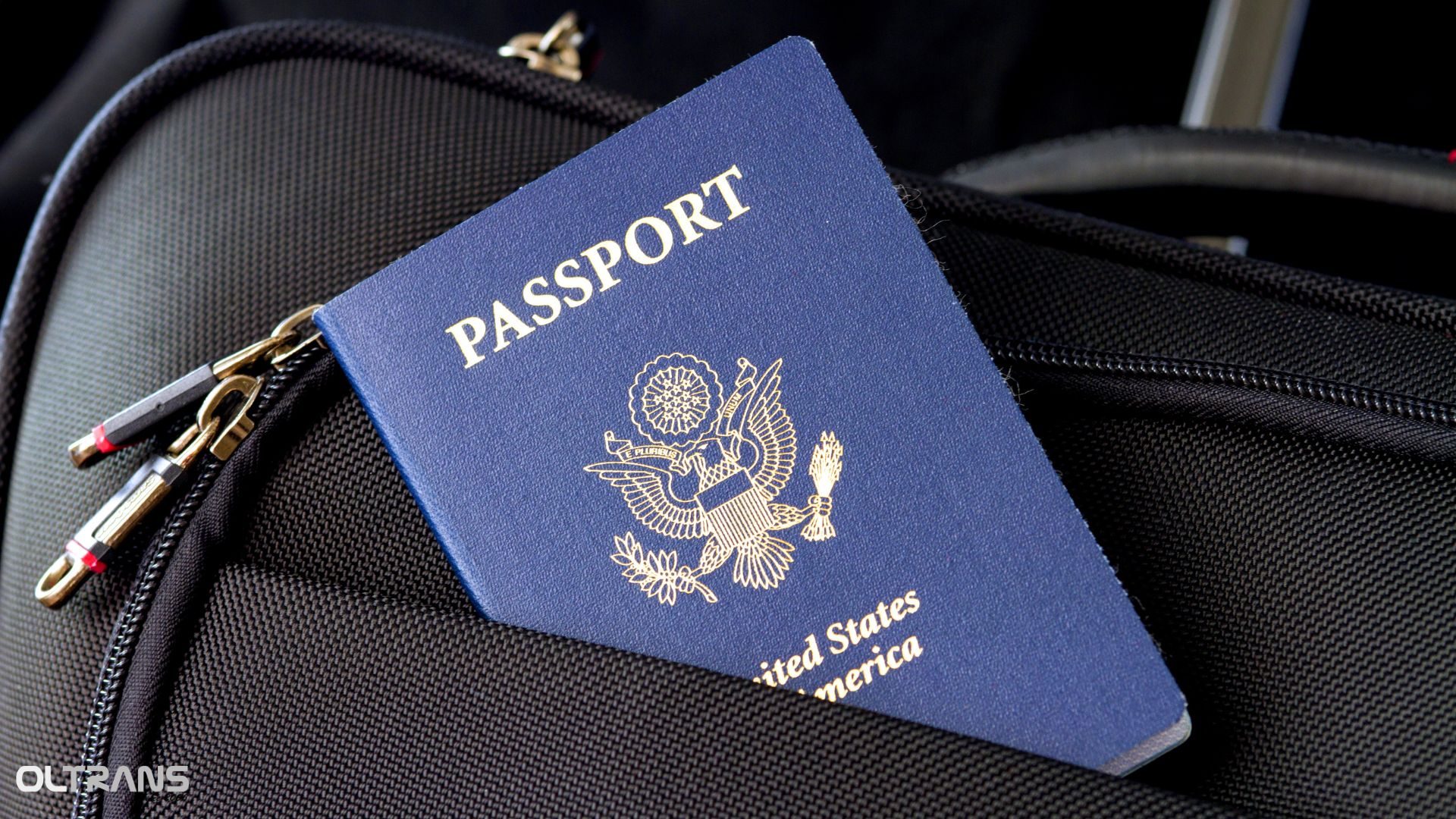
ID cards and passports are the primary identity documents for citizens and are used not only for personal identification but also for a wide range of administrative procedures abroad – from checking into hotels and opening bank accounts to applying for jobs or educational programmes. Many people wonder whether these documents need to be legalised when used internationally.
Legalisation is generally required for official documents that will be presented to foreign authorities. However, for personal identity documents such as passports and ID cards, the situation is slightly different: the original documents are not directly legalised or apostilled. Instead, notarised copies and certified translations are typically used if the receiving institution requires formal verification of the document.
In this article, we will explore why ID cards and passports are not legalised directly, how they should be prepared for use abroad, the steps involved in notarising copies and translations, and what individuals need to know to avoid potential issues when presenting their identity documents to foreign authorities.
Why ID Cards and Passports Are Not Legalised Directly
ID cards and passports are official identity documents issued by a government, and their authenticity is already guaranteed. They are considered original documents and are not handed over to third parties for legalisation, as they contain sensitive personal information and are subject to strict protection regulations.
As a result, there is no legal procedure for apostilling or legalising the original ID card or passport itself. When a foreign authority requires legalised documentation, individuals typically provide a notarised copy of the document, or a notarised translation of that copy, which can then receive an apostille. This approach ensures that the original document remains unchanged, while its authenticity is formally verified through notarisation and apostille on the copy or translation—sufficient for international use.
Procedure for Using an ID Card or Passport Abroad
Notarised Copy
The first step in preparing an ID card or passport for use abroad is to create a notarised copy. This is not simply a photocopy; the notary ensures that the copy fully corresponds to the original document. They carefully check all details, signatures, and stamps on the document to ensure that no errors or omissions are present.
For a passport, for example, the notary will examine all pages containing personal information to make sure that nothing essential is left out. The copy is then officially certified with the notary’s signature and seal, confirming its legal validity. This notarised copy is the document that foreign authorities will recognise as legitimate.
Translation into the Official Language
Once you have a notarised copy, it often needs to be translated into the official language of the country where it will be used. The translation must be carried out by a certified translator and accompanied by their signature and seal. These formalities ensure that the translation is accurate and faithfully reflects the original document.
The notary can then also certify the translation itself, confirming that it fully corresponds to the notarised copy. This step is particularly important because foreign institutions typically require an official translation, not just an informal or literal translation.
Apostille on Copies or Translations
The next step is obtaining an apostille, if required by the foreign institution
For identity documents such as national ID cards or passports, the apostille is never placed on the original document. Instead, it is applied to the notarised copy or to the translated version. This ensures that foreign institutions receive an official document that is fully valid and recognised internationally.
The apostille is issued by the Ministry of Foreign Affairs, which is the competent authority for personal documents, including copies of ID cards and passports. When submitted in person, the process typically takes 1–2 working days, while postal submissions may take around one week.
Verifying the Requirements of the Foreign Institution
Once the document has been notarised, translated, and, if necessary, apostilled, the next crucial step is to carefully verify the requirements of the institution where it will be submitted. This is particularly important because different institutions may have specific rules or preferences regarding the documents they accept. For instance, they may require a certain format, additional certifications, or officially certified copies.
Failing to comply with these requirements can result in delays, requests for corrections, or even rejection of the document. Therefore, it is essential to check in advance exactly what the institution expects and to ensure that your documents meet all these criteria. Doing so helps guarantee a smooth process and avoids unnecessary complications.
Distinction Between Personal Documents Used for Administrative, Educational, or Legal Purposes
Identity documents such as passports and national ID cards may be used for a variety of purposes abroad, but the procedure for their recognition and authentication depends largely on the intended use. It is important to clearly distinguish between different types of usage because not all scenarios require an apostille or notarisation of the original document.
Administrative Purposes
When we talk about administrative purposes, we mean any situation in which a national ID card or passport is used to carry out administrative procedures abroad. Examples include opening a bank account, obtaining a residence permit, applying for social services, registering with local authorities, or submitting documents to municipal or government offices in a foreign country.
In these cases, the ID card or passport is generally not directly legalised, as they are official identity documents that do not change and are not subject to an apostille. Instead, notarised copies of the document or a translation of the document, certified by a licensed translator and, if required, notarised, are used to meet the foreign institution’s requirements.
For example, if a Bulgarian citizen moves to France and needs to open a bank account, the bank may request proof of identity using a passport or ID card. Depending on the bank, they may require a notarised copy of the document to verify its authenticity. If the bank requires the document to be in French, a translation certified by a licensed translator is provided, which can also be notarised if necessary.
It is important to note that for administrative purposes, legalisation of the original document is usually not required, but proper preparation of copies and translations is crucial. Omissions, such as a missing notarisation or an inaccurate translation, can lead to the rejection of documents, causing delays and potentially requiring the documents to be resubmitted.
Educational purposes
When we talk about educational purposes, we refer to situations in which an ID card or passport is used for identification during studies or when applying abroad. This includes applications to universities, colleges, language courses, summer academies, or other educational programs.
In these cases, identity documents serve to verify your identity, age, and citizenship. The original ID card or passport is usually presented for in-person verification, but if the institution requires the documents to be submitted electronically or by post, notarised copies or translations—which can also be notarised—are used instead.
For example, if a student is applying to a university in France, a copy of their passport or ID card may be required along with academic documents such as diplomas and certificates of completed education. If the university requires documents in French, an official translation of the ID card or passport is prepared by licensed translators and notarised. An apostille on the copy or translation may also be required, although the original identity document is not apostilled, since it is an official Bulgarian document that remains unchanged.
The key point is that educational institutions need assurance of authenticity, especially when documents are submitted remotely. Therefore, properly preparing notarised copies and translations is essential to avoid delays or rejection of the application.
Legal Purposes
Legal purposes cover any situation in which an identity document is used within the framework of legal or administrative procedures abroad. This may include matters such as inheritance cases, signing contracts, entering into prenuptial agreements, participating in court proceedings, issuing powers of attorney, or other notarial acts.
Similar to administrative and educational scenarios, the ID card or passport is not directly legalised. Instead, notarised copies or translations are used to certify the holder’s identity. If the document is to be submitted to a court, notary, or other official institution abroad, an apostille on the notarised copy or translation is often required. This ensures the authenticity of the notary’s signature and confirms the legal validity of the document for international use.
For example, in a court case abroad requiring proof of citizenship or identity, a notarised copy of the passport or ID card, accompanied by an apostille, serves as valid evidence without the need to submit the original document. This is particularly important because the original document remains safe and secure, while the foreign institution is provided with a legitimate and officially recognised copy.
The ID card and passport are the primary documents for establishing identity that citizens use abroad. It is important to understand that these documents are not directly legalised; instead, notarised copies or official translations, which can be apostilled if required by the foreign institution, are used. The process requires careful preparation, including verifying the requirements of the institution, selecting licensed translators, and ensuring proper notarisation. By following these steps, you can ensure that your documents will be recognised seamlessly for administrative, educational, or legal purposes.
Do not risk errors or delays that can arise when preparing your ID card or passport for use abroad. Rely on professionals with experience in international legalisation who will ensure your documents are fully prepared and officially recognised. Contact us today and secure peace of mind knowing that your documents are ready for any official procedure abroad.